

The Buy Side Has No Operating Standard
For decades, M&A has been seller-led. Investment banks perfected their playbook. They run the same process every time. They control the timeline, the narrative, the pressure.
On the buy side, every team invents their own process. Every function shows up at a different time. Every deal starts from scratch. Buyers react instead of lead.
That's expensive. And it's fixable.
How This Started
I'm Kison. I've been in M&A for over twenty years. I closed 35 deals as an advisor, worked on more than 100 others, then built DealRoom and supported thousands of transactions. I've seen what works, what breaks, and what people pretend works (but doesn't).
One pattern kept showing up: the buy side is disconnected.
The sell-side has it figured out. Investment banks run the same playbook every time. They've standardized the process, the timeline, and the pressure points.
The buy side doesn’t. Every acquirer builds their own process in isolation. Confidentiality and data sensitivity mean teams rarely share what works. No cross-pollination. No operating standard. Just fragmented execution and reinvented wheels.
In 2012, I started DealRoom to fix the tooling problem. We built it into the leading buyer-first M&A platform, used by some of the world's largest acquirers.
But working with corp dev teams—from one-person shops to Fortune 5 companies—made one thing clear:
Technology doesn't fix the real problem. The buy side still has no standard for how to run a deal.
That gap is bigger than any software.


.webp)
Building the Operating Standard for Buyer-Led M&A
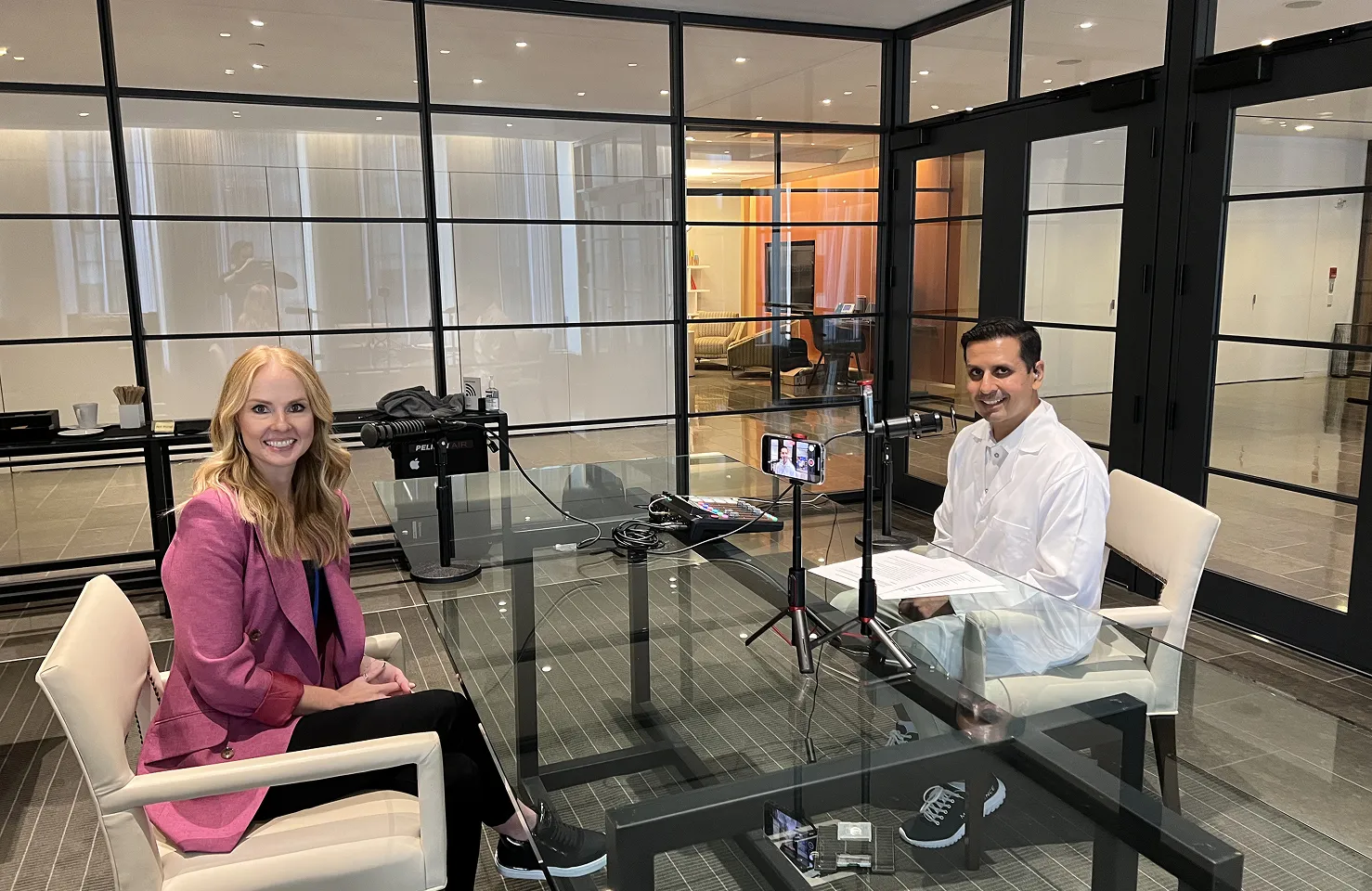
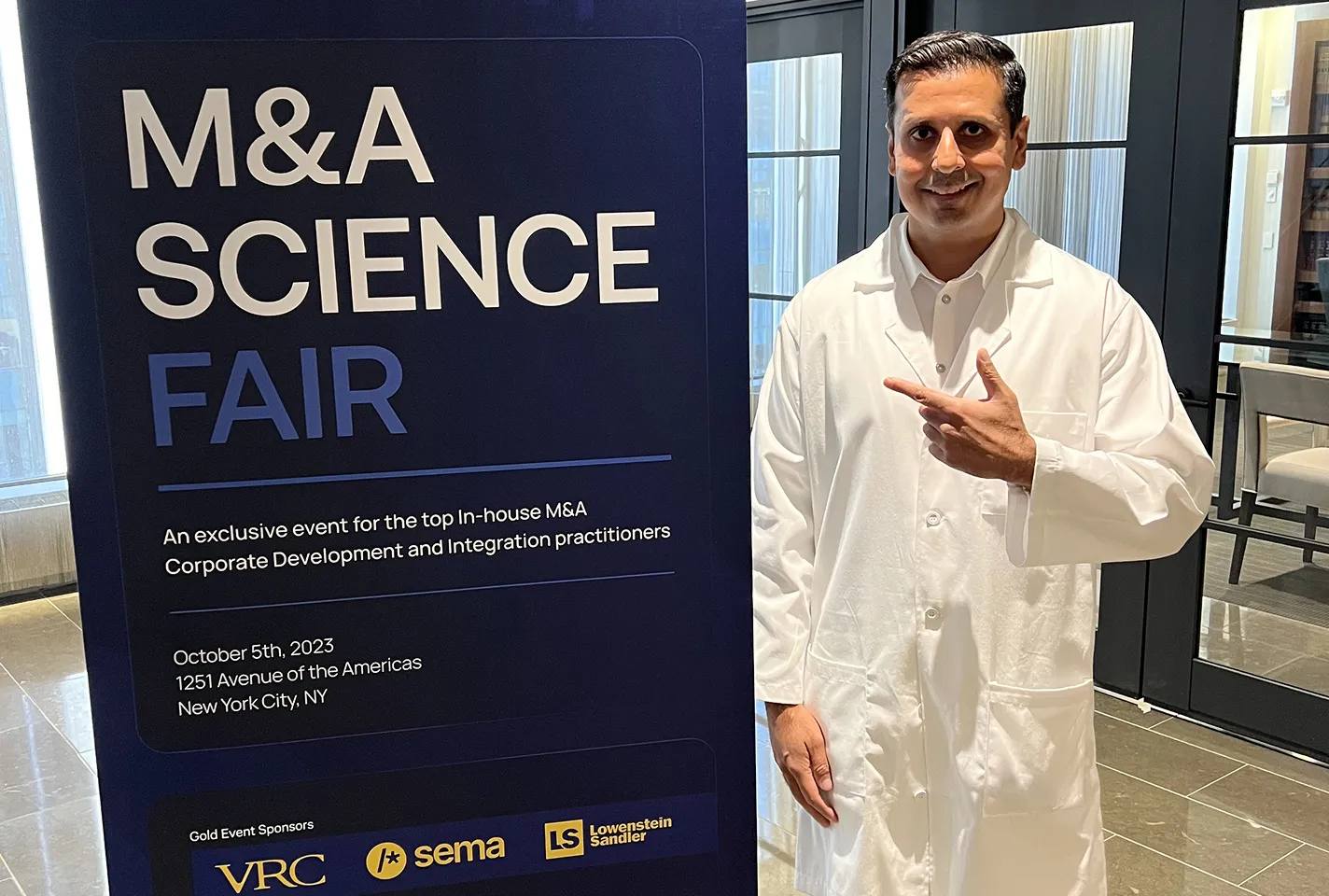
I launched M&A Science to crack open the black box. Learn directly from practitioners and understand what actually works.
400+ operator interviews later, the patterns are undeniable:
The sell side has a playbook. The buy side doesn't.
So we're building it.
What that includes:
- The M&A Science Podcast, with 400+ interviews from Corp Dev, PE, and integration leaders
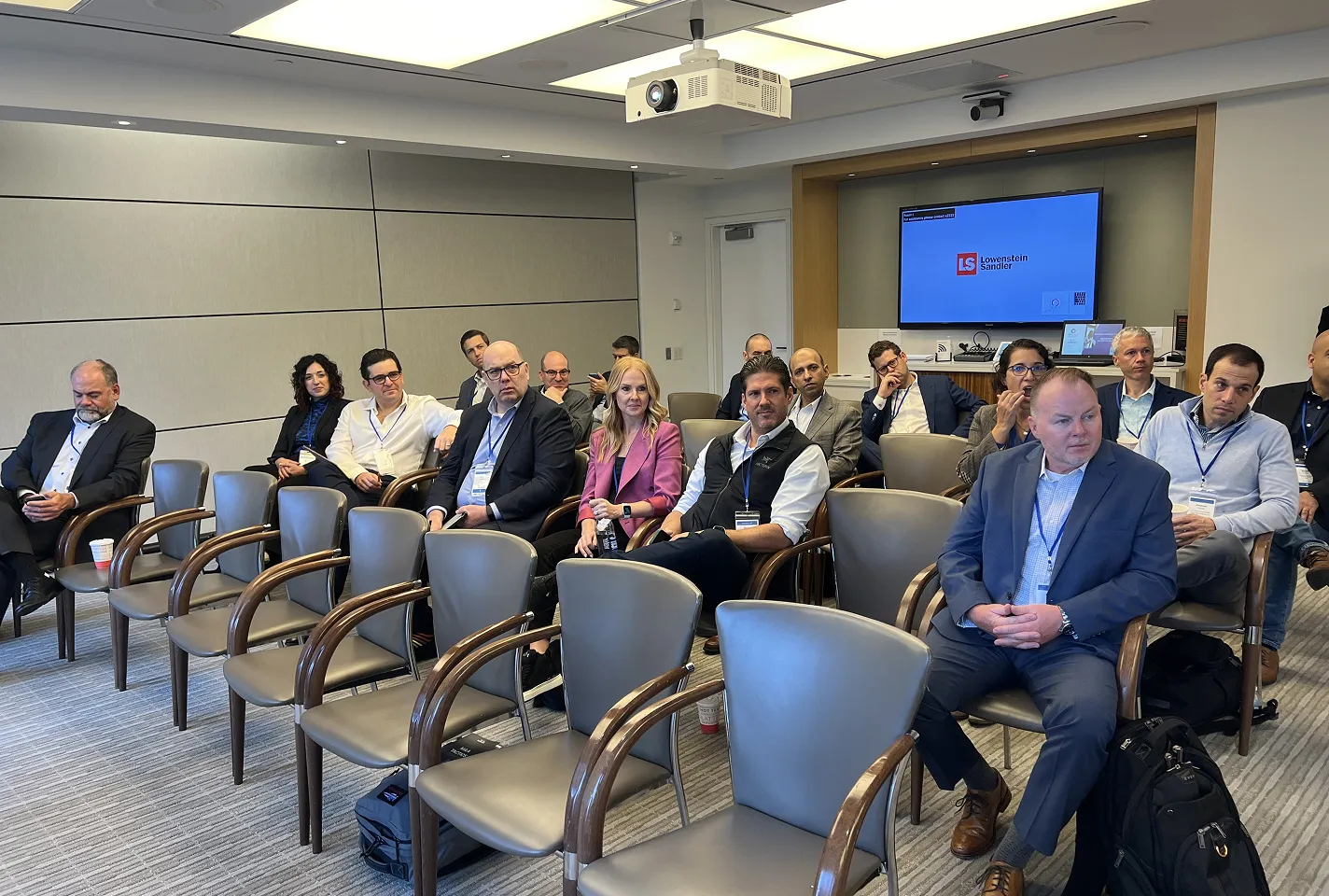
- Live sessions—roundtables, AMAs, labs, and deep dives with operators running deals right now
- A growing library of templates and playbooks pulled from real transactions
- Skill Tracks that show how to actually run the work, step by step
- A private operator community where practitioners share what works—and what doesn’t
M&A Science is the buy-side operating standard: a structured way for modern acquirers to design, evaluate, execute, and realize deals.
Built from real operator experience. Captured in the Intelligence Hub. Taught through Skill Tracks. Standardized in the Buyer-Led M&A™ Framework. Scaled through Enterprise.
This isn’t theory or generic best practices. It’s how top teams actually run deals, structured so you can repeat it.
Built for Practitioners at Every Stage
M&A Science is built for the people actually running the work.
Across the deal team
Corp Dev Leaders • Integration Leaders / IMOs • PE Professionals • Finance • Legal • HR / People Ops • Functional Leaders pulled into deals
Across your career:
- Early career: learn the operating standard and see how real deals are run
- Mid-career: apply it with templates, playbooks, and step-by-step execution guidance
- Senior operators: share what works, pressure-test ideas, and help raise the standard
M&A Science supports the full arc of a buy-side career, so each level builds on the last instead of starting over.
The Next Era of Buy-Side M&A
We’re building the infrastructure the buy side has always needed but never had.
That means a system where operators don’t just consume content but practice decision-making, pressure-test their judgment, and improve with every deal.
What this looks like in practice:
- Scenario-based execution so teams can rehearse real decisions before they’re live
- AI-powered guidance that surfaces what to do next based on role, deal stage, and risk
- Enterprise adoption that turns individual knowledge into a shared operating standard across the organization
- Continuous learning loops where post-mortems, live sessions, and operator insights feed back into the system
The goal is simple: every deal should make you better at the next one.
This is Buyer-Led M&A.
This is M&A Science.
.svg)
.svg)