

M&A Science Podcast
 / 
Listen Now:

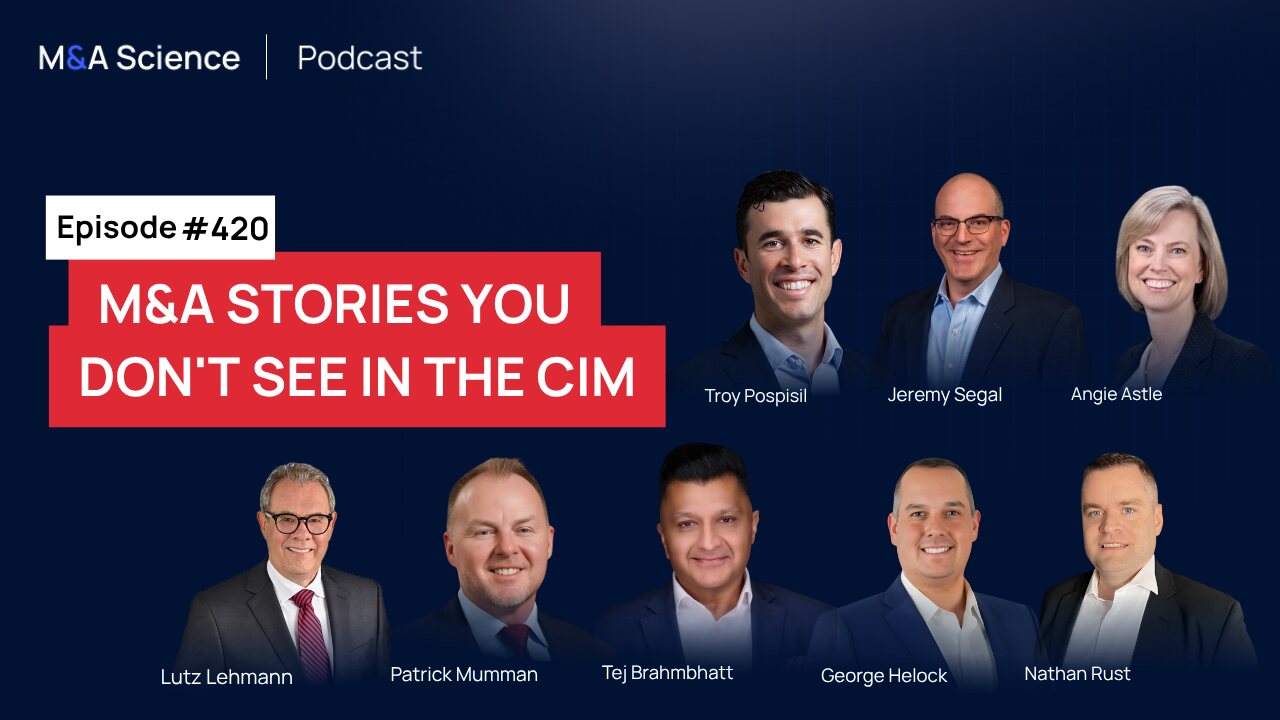
When Deals Get Weird: Stories You Don't See in the CIM

The CIM tells you what the seller wants you to know. What it never shows you is the birthday cake that appeared in the middle of a management presentation. Or the buyer who died in a plane crash near close. Or the eight years of customer revenue data sitting on a 1980s IBM that management claimed did not exist. Or the target that was quietly heading toward Chapter 11 while diligence was underway. Every one of those things happened in a real deal. Every one required a practitioner to read the situation and make a call.

Recorded live at DealMax, this episode collects eight of those moments from across the deal community: corp dev, sell-side advisory, investment banking, and due diligence. The surprises are different in every story. The pattern underneath them is not. Experienced practitioners do not succeed because nothing goes wrong. They succeed because they have seen enough to know which surprises are meaningful and which ones you push through.

These are not cautionary tales. They are what doing deals actually looks like.


 What You'll Learn

  • How cultural signals in a management presentation can influence a bid decision
  • What to do when a buyer dies before close and the sell process has to restart
  • How to find data that management says does not exist
  • Why a founder hiring an independent valuation firm late in the process is a red flag you should have caught earlier
  • What a 12-year seller relationship looks like and what it teaches about patience in outreach
  • How to take a bankrupt target through Chapter 11 and still close the deal
  • Why experienced advisors document every surprise the moment a deal closes

If you're running deals and want pattern recognition built from thousands of real M&A situations to back your judgment, DealPilot, powered by M&A Science, gives you the deal guidance and advisor access to know which surprises you push through and which ones mean walk away.

******************

This episode of M&A Science is presented by DealRoom

DealRoom just automated Pipeline Management with AI so you can spend less time updating deals, and more time working them.  Automatically push deal context from Outlook to DealRoom Pipeline and use AI to keep deal target data and tasks updated, so follow-ups never slip through the cracks. No manual logging. No stale pipeline data. See for yourself: https://hubs.ly/Q045fXp50

Salas O'Brien is a national engineering firm founded 50 years ago and structured as a supermajority employee-owned company. Approximately 95% of employees own shares. The firm specializes in engineering across industrial, commercial, and institutional sectors, and has built a disciplined M&A program that has completed more than 30 mergers with no failures and 93% cumulative leadership retention across 15 years.

Industry
Engineering and Technical Services
Founded
1975

Magnus Business Group is sell-side M&A advisory firm specializing in representing retiring business owners through the full sale process. The firm focuses on lower middle market transactions where sellers are often going through a business sale for the first time.

Industry
Investment Banking
Founded
2021

Ontra is a 12-year-old technology company serving 1,500 private equity firms and investment banks with automation solutions for M&A processes, including NDA management. Nine of the top 10 private funds asset managers are clients.

Industry
Software Development
Founded
2014

Progress (Nasdaq: PRGS) empowers organizations to achieve transformational success in the face of disruptive change. Progress' software enables customers to develop, deploy and manage responsible, Al-powered applications and experiences with agility and ease. Customers get a trusted provider in Progress, with the products, expertise and vision they need to succeed. Over 4 million developers and technologists at hundreds of thousands of enterprises depend on Progress.

Industry
Software Development
Founded
1981

CBIZ is the number eight accounting firm in the United States, with a corporate development team focused on top-of-funnel origination and tuck-in acquisitions across the accounting and professional services sector. The firm reached its current ranking following the acquisition of Marcum.

Industry
Business Consulting and Services
Founded
1996

Watchtower Capital is a boutique investment bank serving privately held companies in the $50 to $100 million range with the process rigor typically reserved for larger transactions. The firm's team has collectively closed over $10 billion in transactions.

Industry
Investment Banking
Founded
2018

Chugach Alaska Corporation is 1 of 13 regional Alaska Native corporations formed under the 1971 Alaska Native Claims Settlement Act. Structured as a forever corporation designed to generate profits for Alaska Native shareholders across generations, Chugach operates across government contracting and commercial services with over $1 billion in revenue and 5,000 employees.

Industry
Executive Offices
Founded
1972

Nathan Rust

Nathan Rust is Senior VP of Corporate Development at Salas O'Brien, an employee-owned engineering firm with approximately 5,000 employees. Over the past three years, Nathan has led or co-led more than 30 mergers, completed a recapitalization with Blackstone as a minority investor, and refinanced debt multiple times. Before joining Salas O'Brien, Nathan held acquisitions roles in the Phoenix area following an MBA from Virginia Tech and an earlier career running a Harley-Davidson dealership.

Lutz Lehmann

Lutz Lehmann founded Magnus Business Group to represent sellers through business sale processes, primarily baby boomer business owners approaching retirement. He has spent over 10 years managing the surprises that come up in lower middle market transactions, and documents every one of them to prepare his team for the next deal.

Patrick Mumman

Patrick Mumman leads origination at CBIZ (NYSE: CBZ), the number eight accounting firm in the United States following the Marcum acquisition. He previously spent 12 and a half years at H&R Block running a roll-up strategy across small accounting and tax practices, giving him a ground-level view of what selling a business actually feels like for owners who have never done it before.
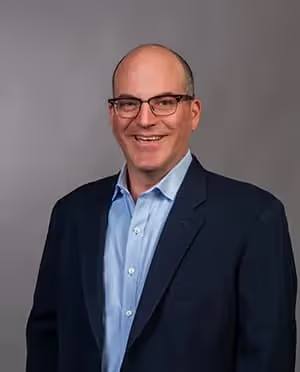
Jeremy Segal

Jeremy is the Executive Vice President of Corporate Development at Progress. He is a corporate development executive with 20+ years of experience in the technology industry focused on M&A, Corporate Ventures, Strategic Planning, Joint Ventures, Divestitures, International Expansion, and Strategic Partnerships

Tej Brahmbhatt

Tej Brahmbhatt founded Watchtower Capital to bring large-bank M&A process rigor to privately held companies in the $50 to $100 million range. He and his four-person team have collectively closed over $10 billion in transactions and take a KYC (know your client) approach that often surfaces the real transaction a client needs, not the one they came in asking for.
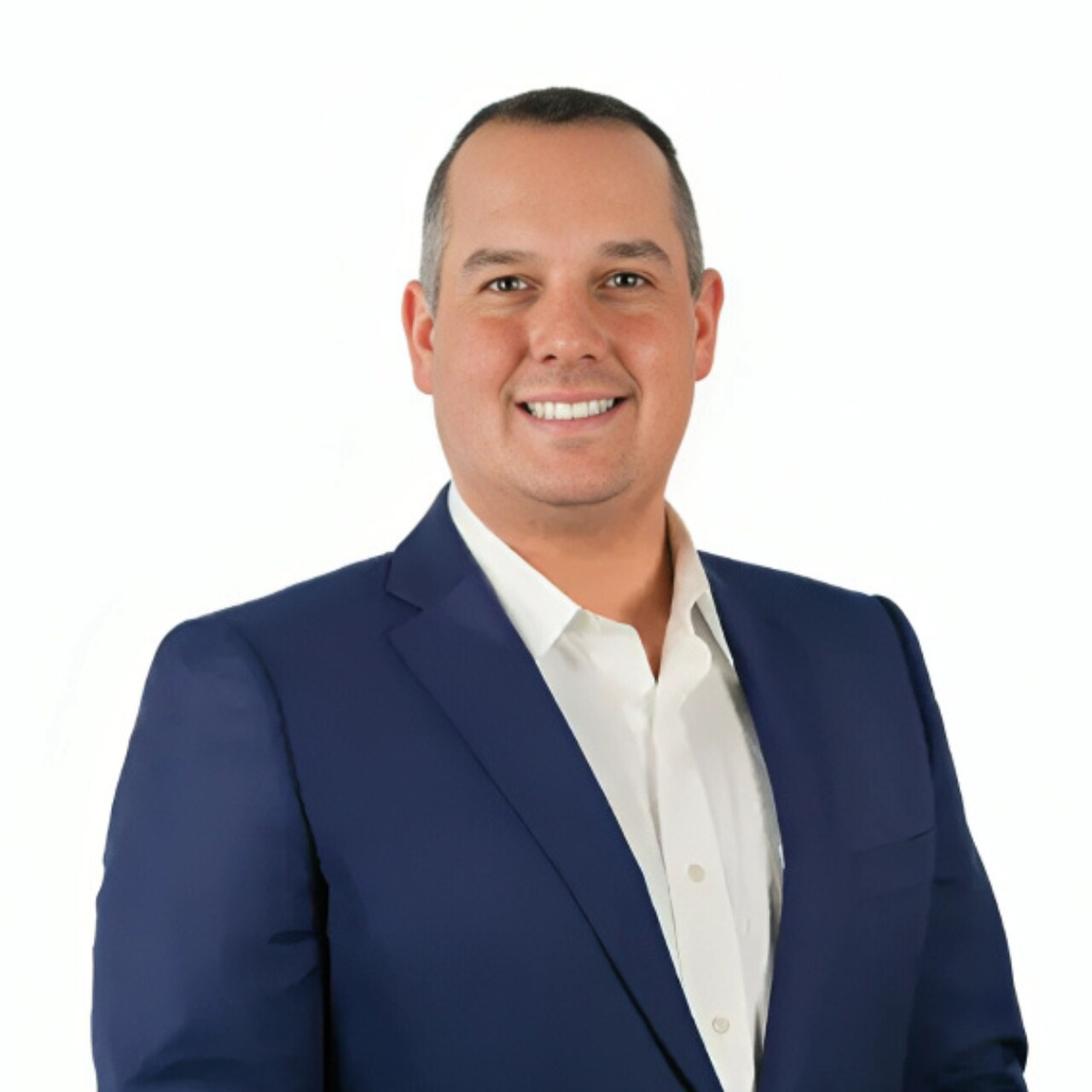
George Helock

George Helock is a managing director at LCG Advisors, a consulting, investment banking, and due diligence firm supporting buyers, sellers, and lenders across the transaction lifecycle. He leads the firm's Western region and has firsthand experience with what happens when capital markets close mid-process on a deal that is already in flight.

Angie Astle

Angie Astle is EVP of Finance, CFO, and president of the investment division at Chugach Alaska Corporation, one of 13 regional Alaska Native corporations formed under the Alaska Native Claims Settlement Act. She has led the firm's M&A strategy since joining in 1998 and was the architect of their first commercial acquisition, a deal that required becoming the secured creditor and taking a target through Chapter 11 reorganization before it could close.

Episode Transcript

Nathan Rust | The Birthday Cake That Closed the Deal

We do a lot of what we call mergers, just from a philosophy of partnership. I've been there three and a half years, and we've done thirty deals in that timeframe. But the one that stuck out most to me was one we did about a year ago.

We were a little under-indexed in the Northeast, so we had been looking for firms there for a while. We actually closed a deal through an advisor earlier in the year in Idaho, and because that transaction went so well, they decided to include us in this Northeast opportunity. The minute we saw it, we liked it.

We went through all the preliminary due diligence, put together an indication of interest, and made it through to the next round. We were the only strategic buyer who did. They had probably ten or twelve private equity firms in the process, so it felt good to be there.

We were invited to their location for a management presentation. I live in Phoenix, so it was a full day of travel, a dinner that afternoon, then the presentation the following morning. It just so happened that the day of the management presentation was also my birthday.

At dinner, I was lucky to be seated right beside their CEO. When you spend a couple of hours with people, conversations go everywhere. He talked about his close relationship with his nephews because his brother had passed away at a young age. I asked how old his brother was when he passed, and before I even thought about it, I said, "I'm turning that age tomorrow." It threw me back. One of those moments where you remember you're mortal.

The meeting started at 8:00 AM their time, which was 5:00 AM my time. We were probably half an hour in when a waiter came in with chocolate cake. He had planned a birthday celebration for me in the middle of the management presentation because he remembered from the night before that it was my birthday. You don't eat a lot of chocolate cake at 5:00 AM, but you're polite and you eat it.

At that moment I thought, "This guy is a great fit for our culture. He cares about his people, he cares about the details, he hears things and remembers them." If we got the opportunity to move forward, we were going to.

The advisors let us know our offer was a little low, probably a few percentage points. But when you're talking at scale, that's a lot of money. I thought back to that piece of cake and decided it was a no-brainer. My joke now is that it was the most expensive piece of cake in the history of Salas O'Brien.

The Banker Who Joined the Team

The deal ran smoothly. One of the advisors actually works for me now. She called after the deal was done and said she liked the way we do deals and asked if there was an opportunity to join. That's the second time that has happened. We build the team by picking up bankers who run sell-side in our industry. They see us as a buyer, and they see how we operate.

The only reason we were included in that deal was because of the experience from the previous transaction. It pays off to be a good person and manage a transaction the right way. Being fair and reasonable with advisors and the other party matters. Those are not the only two people who have reached out about joining our team. We get the best opportunities, not only from an M&A perspective, but from a talent perspective, because of our cultural approach.

The seller carved out a portion of their consideration and made sure that every single employee of their organization received a benefit from the transaction, and it reiterated that we had a cultural match. They were not selfish. Everything along that transaction confirmed this was a good fit, and we have seen that post-closing as well.

Building a Reputation That Lasts

It goes back to the golden rule. Treat people the way you want to be treated. Be transparent. Don't forget you're human. We're at a big finance conference, and you can tell there are some people who seem to have forgotten that. You recognize it and move on.

I like to win. We all like to win. But not at the expense of your integrity. Treat people right and you won't win every deal, but there have been many situations where the other party moved forward with someone else and then came back to us because that group didn't do what they said they would. In the long run, it pays off.

Lutz Lehmann | The Deal That Survived a Plane Crash

We were getting close to close. The buyer actually flew from one city to another, crashed his airplane, and passed away. We had to start the entire process over.  

We were actually planning to meet that weekend to discuss the transition. Based on my experience, I always tell the seller to wait before informing employees that the deal is closing, so nobody leaves or gets anxious. Fortunately, we had not done that yet. This buyer flew a single-prop airplane regularly. He was on that flight with his son and their dog. His son was also supposed to work in the company being acquired, so he passed away too.

The seller was still around. We were running the sell-side process. Having a buyer die that close to close essentially kills the whole deal. We had to start over from scratch, found a new buyer, went through the entire process again, and closed successfully about nine months later.

A Philosophy for Handling Surprises

Over time, what I do after every deal is go back through it and look at what surprises occurred, both small and large. I write down what I learned and discuss it with the team so everyone understands what can happen. Preparation is the big thing.

Dealing with landlords is now one of my first questions when I talk to a seller. What is your relationship with the landlord? Is it good or are there any issues? I had a situation where the seller crashed a water pipe inside his manufacturing facility. The landlord was very upset, they had a major argument, and it almost killed the deal. It prolonged the process by over a month. I was heavily involved in calming both parties down and finding a solution that worked for everyone.

Having the right network in place is also critical. There is always something that comes up. IT systems go down. Workers' comp questions arise. Real estate attorneys get involved. If you have a network of specialists you can call, you can navigate almost anything.

Troy Pospisil | 8 Years of Data on a 1980’s Computer

Eight Years of Data on a 1980s Computer

Before I founded Ontra, I was a deal professional at a large middle market private equity platform. I spent a full summer doing diligence on an oil field services company headquartered in Corpus Christi, Texas. If you have ever been to Corpus Christi in the summer, it is not where you want to be. The humidity is about as high as it gets, over 100 degrees most days. Step outside and you are soaking wet within twenty or thirty seconds. That was my summer.

We asked the management team for revenue and gross profit by customer. They came back and said they had no such data, just headline revenue for any given period. I knew that couldn't be right. There had to be a way to slice the data. I asked how they invoiced customers, and they said they sent invoices. I asked to see one. It had revenue by customer for a specific service. I asked if they had a historical record of those invoices, and they said yes, about eight years of them printed out in a file room at their headquarters.

They came back with a plan. They were going to hire about a dozen temps to go through every file cabinet over three weeks, key in all the data from each invoice, and reconstruct eight years of revenue by customer. Before they did that, I asked one question: how do you make the invoices? "Susie makes the invoices." I asked where Susie was. They said she sits at a computer in the file room where all the printed invoices are.

I was on a call from my office in San Francisco. I told them I'd be there the next day. I wanted to meet Susie. I got to the office and they brought me to her. She was sitting in the corner with an old-school IBM that looked like it was from the late 1980s. I asked her to log in and show me how she made the invoices. She logged in, I stuck a jump drive into the computer, downloaded everything I needed, and had eight years of data in one afternoon. No temps. No three weeks. Just Susie and an old IBM.

The Best Chinese Restaurant in Corpus Christi

Same deal, same trip. After a full day of diligence, the CEO had been building up this promise all day long. He must have said it twenty times: "I am going to take you to the best Chinese restaurant you have ever been to in your life." We were all based in San Francisco. We live near Chinatown. We have real opinions about Chinese food. But we were polite about it.

We finished the day, got in a couple of Ubers, and drove to the restaurant. The name of the restaurant was Vietnam. It was not Chinese food. To him, it was all the same. Those are two stories from my days in middle market private equity.

Always Pull the Thread

The lesson is to always pull the thread. Roll up your sleeves and get to ground truth. When a management team tells you they don't have the data, you have to investigate further. That is life in the middle market. You have to dig in deep, be willing to get on planes, and find the answers yourself.

Jeremy Segal | 3 Deals That Almost Closed (And Why They Didn’t)

IP Ownership Discovered at the Finish Line

Having done close to fifty M&A transactions in my career, plenty have not made it to the finish line. The first one I want to share was a divestiture. We were very explicit throughout the process that we were buying and owning the IP. That was our clear understanding. It was not until near the end of the transaction that we learned they needed to keep the IP and provide a royalty back to us.

Learning something like that at the end of a process destroys trust. We always say: if there are challenges or issues with the business, let us know upfront and we will see if we can work through them. Do not let it surface as a surprise late in the process, because that will kill the deal. If I had to do it again, I would have put more explicit language in the LOI. We thought we were clear. Clearly there was a misunderstanding, and that misunderstanding ended the deal.

The Reluctant Co-Founder

Another deal involved a bootstrap company with two founders. One was clearly committed and excited. The other, throughout the entire process, seemed uneasy about relinquishing what had been his company for a long time. Looking back, we should have paid far more attention to the fact that this one person was never fully on board.

We did all the diligence. We negotiated the deal. We were literally ready to sign on the dotted line when we learned that this founder had hired an independent valuation firm. That firm told him he could get three times what we were offering in the LOI. That blew up the deal. We had all the market comps. Our value was right in line with where they should have been trading. But the valuation firm said something different, and the founder held firm.

What I would do differently is recognize the red flag earlier. The reluctant founder's discomfort was never hidden. We relied on the other founder's influence, and we should not have. We should have said, unless you are fully committed to this deal, let's go our separate ways, and said it much earlier in the process. That company was eventually acquired by someone else for significantly less than what we had offered.

When Bankers Prefer PE

The third dynamic we have experienced multiple times is being in a banker-run process competing against private equity firms. Bankers tend to give preference to PE because those firms represent an annuity. Close a deal with them today, and they may bring you their next sell-side mandate, or you get to sell another one of their portfolio companies down the road. As a strategic, we do not create that same flow.

We have had situations where we were very far down the process, had a higher valuation, and still did not get the opportunity to submit a final bid because the banker had already decided to go with the PE firm. If you are in a competitive process, think carefully about what the banker's motivation is. If there is an opportunity to preempt the process and move ahead of the bid date, do it. Waiting until the actual bid date may be too late.

Trust Your Gut on Red Flags

The parting advice is always keep your eyes wide open. Orange flags and red flags exist for a reason. If your instincts are telling you something does not feel right, speak up and follow up on it, because your gut is usually right. If it is telling you something is wrong with a deal, that may be the signal to walk away, and to walk away earlier rather than later.

One of the things I love about Progress is that even when I have to tell the team a deal is not going to happen, they always look at it as something we learned. We learned how to do better diligence here. We learned to keep our eyes open for this issue there. That attitude is what makes a team more effective over time.

Patrick Mummen | The Grandmother, the Fistfight, and the Earn-Out

The Grandmother with an Earn-Out

Before CBIZ, I worked at H&R Block doing a roll-up strategy, acquiring small mom-and-pop accounting firms. We did an acquisition in the Bronx. It was owned by a 78-year-old grandmother. Really nice lady. We closed in October, ahead of tax season. These were all exit strategies. She knew she was on her way out and planned to work another two or three years.

First week on the job, she had a fistfight with a manager and was fired. There was an earn-out attached. She technically lost out on it. Given the circumstances, they helped her out a little, but she did not receive the full earn-out. Apparently it was an argument over a printer.

A Twelve-Year Sales Cycle

The longest deal I have ever worked on was a twelve-year sales cycle. When I first started at H&R Block, an older gentleman down in the Virginia and Maryland area had a regional tax and accounting practice. He had some ties to H&R Block and was interested in selling. He was probably already at retirement age. He said he was really thinking about it and wanted to do it.

That conversation repeated itself for twelve years. Every year I would approach him. We would go to lunch or dinner. Great conversations. He just never pulled the trigger. Finally, in my twelfth year there, I got the deal done. But his business had shrunk considerably. He lost out on significant acquisition value, and we lost out on revenue that had walked out the door over the years.

I saw this pattern a lot with older owners. They stop the business development cycle. They keep servicing existing clients, and over time there is attrition. Revenue shrinks. The value that was there at year one is not there at year twelve. I talked to people who said they would sell next year, and when I called the following year, I was talking to the wife because the husband had passed away. The business was gone. There was nothing left to sell.

Patience and Coaching the Exit

There is not much I would do differently on the twelve-year deal. If anything, it taught me patience. A no today is not a no tomorrow. Sometimes you are just planting seeds. But the bigger lesson is coaching sellers on timing. The time to sell is when the business is at its strongest, not when it has already started to decline. Part of the job is explaining what the exit looks like, what the process involves, and helping them understand what they stand to lose by waiting.

Tej Brahmbhatt | He Came In for a Capital Raise. He Left With an Exit.

He Came In for a Capital Raise and Left with an Exit

They came to us for a capital raise. Most clients who have never run a process do not know what they do not know. The reason he wanted $10 million was because two other companies in his tech space had gotten checks for $10 million. That is a terrible reason. We dug in for a couple of months. Turned out he wanted to grow and hire, and a few other things. During that process, I showed him how to think on the business rather than in the business. Strategy versus daily mechanics. We also ran a parallel process looking at buyers, not just capital providers.

Thirteen to fifteen months later, we sold the company for a double-digit profit. The reason it worked was that this CEO was open to listening, learning, and absorbing. He took the lead when it mattered and sat in the backseat when we needed to do our job. Getting to that point takes real work.

KYC: Know Your Client

I always say know your client. The first thing I do is a deep dive with the management team, my banker, and our corporate attorney. We get into their head. What are your plans right now? You have the expressed need and you have the latent need, which is what they do not know they need. In his mind, $10 million did the job. I asked what comes next in two, three, four, five years. He had not thought about it. The typical answer is "I hope to exit," but there is no plan behind it.

We do not always run a parallel process, but we always give the client as many options as possible. The more options you have, the better. You have to be able to adapt.

Getting a CEO to Change Direction

The first reaction is almost always the same. "No. I know what I want. I know what is best for my company." And for today, they do. But have you ever run a process before? Have you ever raised $10 to $30 million for a founder-led company? Have you ever managed legal counsel, audit teams, and quality of earnings providers simultaneously? No. So allow me to show you what happens when you run a process properly.

I ask enough questions that they start hearing their own answers. They say "I don't know" three times in a row and something shifts. They realize they can let the team take the lead on what we do best while they run the business. When the C-suite is humble enough to know what they do not know, that is where the real value gets created.

Tighten the Contract Before You Start

If I could do that deal over, I would tighten the contract upfront. Good people, when large amounts of money are involved, start becoming more aggressive. Fee friction showed up late. "That's a lot you're charging." "That fee seems high." It always happens. So we changed our contract. We went from seven or eight signatures on twelve pages to about thirty signature points, one for each line item, with the client acknowledging the conversation we had about it. It does two things. It shows we have nothing to hide, and it moves any potential disagreement to before the engagement, not five months in.

George Helock | The Background Check That Killed the Deal

Calling Off an IPO at 30,000 Feet

The most memorable thing I worked on was an aviation business going IPO. I was serving as the VP of finance. We pulled the plug in late 2022. The capital markets were starting to dry up. We had put in months of work, financing, everything. We were road showing when it became clear we were running into walls. The capital markets were tightening, it was a smaller cap deal at around an $80 million market cap, and we kind of all looked at each other on the plane and said, "What are we doing? This is not going to work." We literally made the decision at 30,000 feet on a private jet.

Playing Monday morning quarterback a couple years later, you look at how 2023 and 2024 went, and thank God they did not do it. It was probably better for everyone. We were integrating three different businesses to take public. You can't control the macro environment. Headwinds hit when they hit. What I can say is we would not have done anything differently operationally. You learn a lot integrating companies, setting up FP&A, getting through an audit. One of the companies had two accountants who had been there thirty years. Explaining to them why they needed to be audit-ready was mind-blowing to them. We had an associate scanning invoices for two months because they had nothing in their QuickBooks. That is the lower middle market.

The Background Check That Killed the Deal

We have an investigative services group at LCG that does background checks. For one of our private equity clients, we had already completed the quality of value work and an IT and cyber diligence process. They asked us to run background checks. We were about a week or two from closing when a partner's husband unexpectedly got on a call. The PE firm said they would run a background check on him. It came back bad. There were things in his past that prevented him from entering certain countries at certain times, some federal crime-level issues. It killed the entire deal a week before close. All the diligence costs, attorney fees, everything, gone.

The lesson is to start background checks at the beginning, not the end. Make it part of the NDA. Have them fill out the form upfront so you know what you are dealing with before you spend nine months and all that money on a deal that cannot close.

Sell-Side QV Is No Longer Optional

One of the trends we are seeing is a significant rise in sell-side quality of value work. The buy side is going to come in and dig hard. You might as well be prepared and show the skeletons before they find them. A few years ago, about 95 percent of our QV work was buy-side. Last year it was about 80 to 85 percent buy-side, which tells you how much more sell-side preparation is being done. We did around 330 QVs last year across buy and sell-side. That is where the market is heading.

Angie Astle | They Bought the Debt Instead of Walking Away

A First Acquisition That Was Heading for Bankruptcy

The most memorable deal I ever worked on was our first acquisition. We were diversifying out of pure government contracting into commercial services. We found an HVAC company in Hawaii in 2011. We had a lot of logistics contracts in Hawaii for the federal government, and the Hawaiian culture and Alaska Native culture are very similar. We were excited. Then we started due diligence.

Shortly after we started, we discovered the company had deployed capital in ways that left them cash-constrained and unable to service their debt. In essence, they were bankrupt or heading there. It changed everything.

Buying the Debt Instead of Walking Away

We were already emotionally attached. It was our first deal, and we had chosen it carefully. When the reality set in, one of our board members, who was very experienced financially, suggested we ask whether we could take the company through bankruptcy and still complete the transaction. So we met with the bank.

We came to the conclusion that we could become the secured creditor. We bought all the debt from the bank, negotiated the purchase of the bad debt, and became the secured creditor. The company went through a Chapter 11 reorganization, and through that process we became the owner. That was fourteen years ago. It is now a very successful company inside the Chugach family. We have since added refrigeration and elevator services to it.

Rebuilding Reputation After Bankruptcy

Taking a company through bankruptcy damaged its reputation. It had been in Hawaii since 1946. It took patience to rebuild customer relationships. We brought in some new leaders, but the staff was strong and we just had to convince the community that we were there to stay. It took years to turn the reputation back around. We could have moved faster on some staffing decisions, but the outcome justified the patience. That said, this would not work for a short-term holder. The hold period and the recovery required a forever mindset.

How a Forever Hold Changes Every Deal

Running M&A at a forever organization changes everything. We are very deliberate. Our board is deeply involved. We will never be the fastest to close, and we have accepted that. Culture matters enormously. We have walked away from transactions simply because we were not culturally aligned, and we are a permanent holder. You are not flipping this company. You are adopting it. It becomes part of the family. We have never sold a company we have purchased.

What to Do When the Deal Surprises You

Every deal has surprises. That one was bigger than most, but the principle is the same across all of them. You need to be flexible and creative. And you need to know your own company culture well enough not to force a fit. Know what you stand for before you get emotionally invested in a deal, because once you are emotionally attached, it is much harder to make a clear-eyed decision.

Show Full Transcript
Collapse Transcript

Recent M&A Science Podcast Episodes

The Real Work Behind the Close: When Judgment Beats the Checklist
The Nordic Compounder Playbook: How Jörgen Wigh Runs 85 Companies With 22 HQ Staff and No Integration
The Nordic Compounder Playbook: How Lagercrantz Bought 90+ Companies and Never Sold One
M&A SCIENCE IS SPONSORED BY

M&A Software for optimizing the M&A lifecycle- pipeline to diligence to integration

Explore dealroom

Want to wear your M&A expertise?

Check out the M&A Science store.