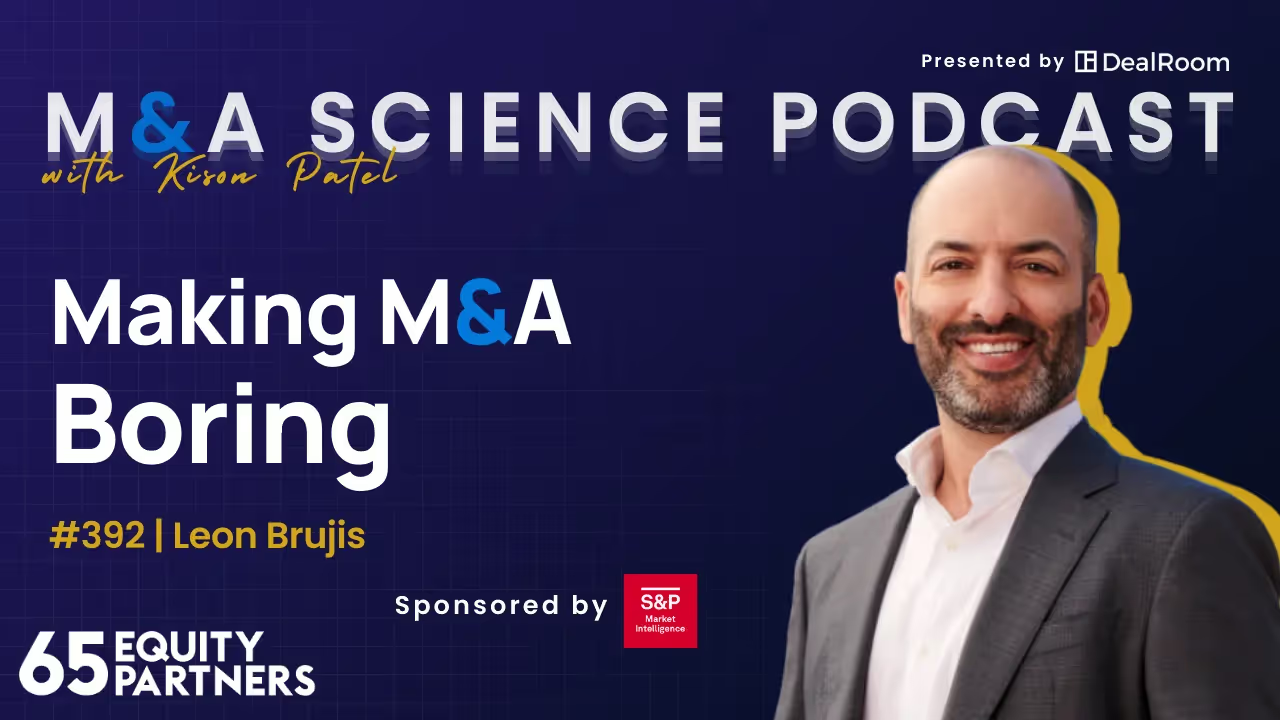
M&A Science Podcast
 / 
Listen Now:

Making M&A Boring (and Why That’s a Good Thing) with Leon Brujis

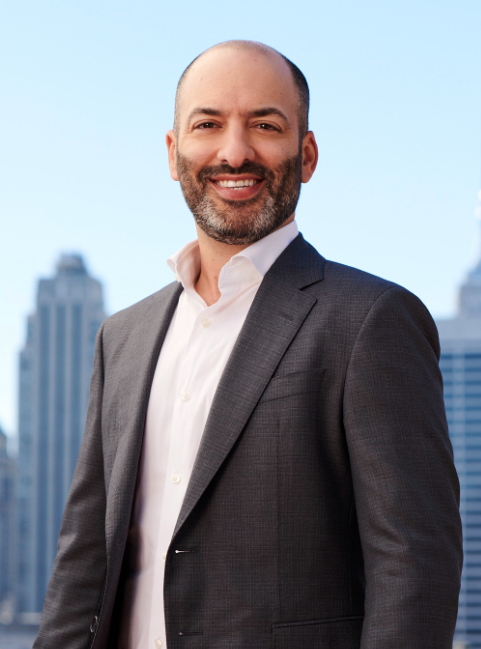
Leon Brujis, Partner and Co-Head of U.S. at 65 Equity Partners

Leon Brujis shares how his firm is redefining private equity through non-control investments in founder-led businesses. In this conversation, Leon breaks down why the best companies are never for sale, how immigrant adaptability translates to investing success, and why boring, disciplined deal-making consistently outperforms flashy transactions. He also walks through his framework for negotiating term sheets and building relationships that span years before cutting checks north of $200 million.

Things you will learn:

  • How to identify and manage multiple antitrust and national security clearances across jurisdictions with varying sophistication levels
  • Why smaller transactions often require more innovation than billion-dollar deals, and how to build structures when no legal playbook exists
  • The psychology behind cross-border deal-making and why trust trumps even the most ironclad contracts

65 Equity Partners is a global investment firm backed by Temasek, Singapore's sovereign wealth fund, providing non-control growth capital to founder and family-led businesses. Founded with a differentiated focus on partnership capital rather than traditional buyouts, the firm targets large middle-market companies ($20-100M EBITDA) experiencing double-digit organic growth

Industry
Venture Capital and Private Equity Principals
Founded
2021

Leon Brujis

Leon Brujis brings over 20 years of private equity experience to his role as Partner and Co-Head of U.S. at 65 Equity Partners, where he launched and built the New York office. Previously, he spent 16 years at Palladium Equity Partners investing in companies positioned to benefit from demographic and cultural shifts. Born in Mexico to Peruvian parents and raised in Argentina, Leon's immigrant background shapes his adaptive approach to relationships and investing, helping him close over 20 deals representing nearly $2.5 billion in invested capital.

Episode Transcript

Making M&A Boring (And Why That’s a Good Thing)

Kison Patel: [00:00:00] I am Kison Patel, and you are listening to M&A Science where we talk with deal professionals and learn valuable lessons from their experience. This podcast focuses on stories, strategies and what actually happened during M&A deals.

Kison Patel: Hello and welcome to the M&A Science podcast. This [00:00:30] podcast is part of a mission to rethink how M&A is done. The old school cell led approach, it's dead fire led M&A, is all about strategy, alignment, and efficiency. Putting value creation at the center of every deal. And let's be real. It's not just about closing the deal, it's about making it successful.

Kison Patel: We uncover what truly works in M&A by learning directly from the best. I'm your host, Kison Fatel, chief scientist at M&A Science. I'm joined by Leon s partner and co-head of us [00:01:00] at 65 Equity Partners, a global investment firm with a differentiated focus providing non-control capital to founder and family led businesses.

Kison Patel: Leon brings over 20 years of private equity experience, including a long tenure at Pallium Equity Partners, where he invested in companies positioned to benefit from demographic and cultural shifts, particularly in the Hispanic market. Born in Argentina and now based in New York. Leon's immigrant journey has shaped his values and investing approach.[00:01:30]

Kison Patel: This episode, we dive deep into his investment philosophy, leadership frameworks, and some powerful reflections on discomfort, accountability, and human growth both in business and in life. Leon, how you doing today?

Leon Brujis: Keison. Thanks so much for having me. I was so excited to have this conversation and be here at your podcast.

Leon Brujis: Hey, thank you for making the time for We can meet in person of course here

Kison Patel: in Manhattan. Shout out to VRC for giving us some space to host this podcast. Thank you. VRC, can we kick things off a little bit about your background?

Leon Brujis: I actually have a pretty [00:02:00] diverse background. I was born in Mexico. My parents are from Peru and I grew up in Argentina.

Leon Brujis: Wow. So very different perspectives. And around a quarter of a century ago, my family and I immigrated to the US where I went to college and subsequently started my career in finance.

Kison Patel: That's a great journey of, uh, cultural. Yeah, absolutely. Where I brought you into M&A

Leon Brujis: I actually went to school to do engineering and I always thought that I would become an [00:02:30] engineer, but being an immigrant and I went to school in Washington, DC at George Washington.

Leon Brujis: All the jobs in engineering were tied to the government and as an, as a, you needed to be a US citizen to get clearance, et cetera. And that steered me away from engineering and more into finance. And my first foray in finance was at a company called Fannie Mae, if you remember, big on mortgages. And I started working in the technology division, given my background, and [00:03:00] then while I was there, I networked myself into working at the trading floor and I was fascinated by it.

Leon Brujis: I was working double the time that I was at the technology division, but I loved it and decided that a career in Wall Street was for me. Where'd you go? Interestingly, I really wanted to not just work in finance, but I wanted to work in finance in New York. I was able to interview with the majority of the large B bracket investment banks.

Leon Brujis: I wound up getting an offer to go be an [00:03:30] investment banker at Lehman Brothers. I joined Lehman in 2005 and did their analyst program. While I was there, I moved from the consumer team to the M&A team. It was a great experience. I liked it and I was seduced by the buy side. Decided that coming into Lehman I wanted to be a career banker, but quickly my mind shifted to wanting to be in private equity and have more of an investor mindset versus an advisor mindset.

Leon Brujis: I felt [00:04:00] that that aligned better with my interest and my skillset A year into my tenure at Leman and I started going through the very typical buy-side process and was able to get an offer with palladium equity that you referenced earlier. Palladium spoke to me because number one, as you may know, wall Street is not necessarily known for being very diverse and welcoming of minorities and women, and Palladium's focus was very much on building a team that looked.

Leon Brujis: How the US [00:04:30] is gonna look in a few years. And also a lot of them spoke Spanish and my native language is Spanish, really spoke to me. And in addition to that, their investment mandate was centered around investing in companies who were poised to benefit from the growing Hispanic market. The culture and mandate felt like a great fit for me and it was 'cause I was there for over 16 years.

Leon Brujis: Wow.

Kison Patel: That's a long run. And then how long have you been at 65 Equity?

Leon Brujis: I've been over two years now. At 65. I [00:05:00] started the New York office. There was no New York presence when I first joined. By the end of this year, we're gonna be 12 people and we're actually moving to a permanent space now, which I'm very excited about.

Kison Patel: So it's a lot of deals you've worked on between the two of private equity firms.

Leon Brujis: Yes. I've been involved in over 20 deals and close to two and a half billion dollars of invested capital.

Kison Patel: If you look at your journey coming in as an immigrant, how do you think that maybe impacts your perspective when you wear your private equity hat?

Leon Brujis: One of the [00:05:30] greatest lessons from living in many different countries is that it really opens your perspective about dealing with people because we all are victims of group thing. And thinking in one way and coming here, it made me reexamine how interpersonal relationships work and get used to different cultural norms.

Leon Brujis: And when you are forced or [00:06:00] thrust into that, the feeling I felt doing that was one of opening my mind. And it required me to be more flexible around how I approach relationships and learn a new different way of doing relationships. And one of the things I've realized is that we've heard this, and we know this inherently, but at the end of the day, all businesses is appropriately dealing with people.

Leon Brujis: I remember one of the guys that used to work for me at my prior firm. He was a great guy and he was progressing in his [00:06:30] career. And when you are a young analyst or an associate, you are evaluated mainly on your technical skills and your ability to do models and analysis. And those things are pretty measurable, quantitative.

Leon Brujis: If you did a good job or you didn't do a good job. And then as you progress in your career in private equity and specifically you move away from that and more into dealing with different personalities and dealing with people, not everyone is able to do that shift,

Kison Patel: right?

Leon Brujis: And move away from the spreadsheet and into [00:07:00] relating to people.

Leon Brujis: And you have to be able to straddle very different sort of approaches. 'cause when you are wanting to do a deal, you basically have to have a selling hat. When you are at the boardroom, you have to wear the influence hat. When things are not going well, you may have to play the bad cop, wear the bad cop hat.

Leon Brujis: So it really requires you to be very flexible in your approach. Tying it back to your original question, the immigrant mentality really helped me create that flexibility to straddle [00:07:30] approaches and deal with different personality types. Because everything that I knew about dealing with people, I had to relearn.

Leon Brujis: And that process, it was a catalyst for me to learn to deal with people the right way. The other thing I would say, which may resonate with the people that are immigrants, is that the moment I open my mouth, people can tell that I'm not from here, and I always get the where you're froM&All of that.

Leon Brujis: And initially I really struggled with that because, uh, it was, it [00:08:00] became a huge part of my personality of having to explain where I'm from. And I would say in the early years I was perhaps inhibited by that, and I saw it as a flaw, but over time I learned to see it as an advantage. Number one, it gave me this sort of more broad way of looking at the world, which I think was incredibly powerful as I mentioned earlier, but also it made me different.

Leon Brujis: People usually will remember me just because of the way I speak, the way I look, and because of that, if you go to a [00:08:30] private equity conference, everyone looks the same, and now I've turned this sort of perceived disadvantage into an advantage, and it makes me more memorable. When a founder meets 25, 30 guys at a conference, he gets 30 emails, he'll remember me.

Leon Brujis: That has been a tremendous advantage for me. For the listeners out there, the message I want to communicate is that oftentimes things that you may think are a disadvantage. You can reframe it as an advantage.

Kison Patel: Yeah, having that perspective. I like the, I mentioned just [00:09:00] being adaptive. I feel like risk. I always think of that.

Kison Patel: Even my own father's like immigrant journey coming off a plane with 20 bucks and it's like, man,

Leon Brujis: you bring a really great point, which is immigrants over index as CEOs and in companies in the us, CEOs tend to be immigrant or sons of immigrants more so than general, their general population, and that's because our approach to risk coming from the countries that we come from is very different.

Leon Brujis: There's a quote that's been living rent free in my head, which is when analyzed [00:09:30] closely, victory and defeat are almost indistinguishable. And I love that. You know why? Because the difference between Victor and defeat is so small, is the guy who did one more rep, who did one more lap. It's just like that spirit of persevering that tilts the risk reward towards your favor.

Kison Patel: There's a lot of good attributes from our diverse backgrounds and some shape a little more than others. When we look at 65 equity. Can you tell me a little bit more [00:10:00] about your model? I know one of the things you referenced, you don't go out there looking for full biocontrol, focus more on these kind of non-control investments.

Kison Patel: First is worth answering

Leon Brujis: a slightly different question, which is why do this and then I'll get into the model specifically. Part of the reason is, as you know, and I think everyone listening knows the investing landscape is changing. There was an article that said that there were more private equity funds than McDonald's franchisees.

Leon Brujis: There's debates as to [00:10:30] how true that statement is, but the point remains that private equity has been so successful over the last three plus decades that that the strategy is very crowded. So when you have an asset that is coming to market. Supply demand has is imbalance towards the sellers, or favorable to the sellers and unfavorable to the buyers.

Leon Brujis: And that's part and parcel ties back to what you said at the very beginning, which is because all the value has been transferred to the sellers, the buyers need to have value [00:11:00] creation plans in order to deliver the return because sellers are not leaving anything on the table. They're taking all the value from themselves.

Leon Brujis: As I was thinking of my next step, I wanted to move away from the very crowded space, and I was looking as to different strategies, and I felt that 60 fives approach was differentiated and not something that was commonly seen in the middle market. And I really like their approach. And now let me answer the question that you actually asked me, which is tell [00:11:30] you about the strategy, but basically 65 is a global firm based out of Singapore with the backing of Temasek.

Kison Patel: It's classic.

Leon Brujis: Teek is is the largest private equity investor in the world. Okay? It's a firm with close to $350 billion under management. It's basically investment firm owned by the state of Singapore. And Temasek has positioned itself as one of the most prominent private equity investors in the world.

Leon Brujis: They're really good at making very large [00:12:00] investments, but an area where they wanted to try a different strategy was in the middle market. And our CEO had the observation that there is a gap in funding for founders and family owned businesses that are large. They're growing, they need capital, but they don't want to give up control.

Leon Brujis: Where we play, which is these large middle market companies that have done really well, have a really great growth trajectory, a great market position. There's really not that many [00:12:30] alternatives for them to get capital that is non-control.

Kison Patel: What's that profile look like for a company?

Leon Brujis: So the profile of a company is a company with somewhere between 20 and a hundred million dollars of EBITDA A that is growing organically at double digits, and it has a potential to keep doing that and accelerate growth through organic value creation initiatives and M&A.

Leon Brujis: That's where we come in. We bring analytical rigor to these companies, [00:13:00] increased governance, and we're building a set of advisors that can help on many aspects of the value creation process, including commercial excellence, digital transformation, human capital management, and of course M&A.

Kison Patel: Any specific industries you focus on?

Leon Brujis: Yes, so we tend to focus on no particular order, healthcare, consumer and services, but we also do some industrials and tech. What we are looking for is [00:13:30] companies that are pretty sizeable in the middle market. That otherwise would be great buyout candidates, but because of the desire of the founders, they don't wanna sell control.

Leon Brujis: Okay. Part of what is attractive about that is that there's a Harvard study that shows that founder led companies outperform CE led companies by a margin of three x. Okay? And part of that is because the skin in the game that founders and [00:14:00] family have is very difficult to replicate with A CEO. And that's the kind of alpha that we are trying to tap into.

Leon Brujis: We have this saying at 65 that the best companies are now for sale. And the reason is because these founders and families, we believe that they're the best at translating vision into execution. And that fire that made them go from zero to one is very difficult to replicate with A CEO. We can help them transition into institutional [00:14:30] ownership and take them to the next level so that eventually they are prepared for institutional ownership.

Kison Patel: I like that. The key is around keeping that founder there. So you got that same original drive motivation and you're supporting them basically not a, a change control.

Leon Brujis: If you think about it emotionally, founders and families, bringing a partner is very different than parting ways with your company, your baby, your legacy.

Leon Brujis: To me, a non-control deal is a great way to bring in institutional ownership into a [00:15:00] business and there's a lot of benefits to institutional ownership and there's a lot of benefits to the, the American entrepreneur, obviously we believe at 65 that we're able to get the best of both. That fire, that passion, that accountability, that comes from a founder led business combined with the good things of the private equity model, which is data driven analysis, rate, governance, and then.

Leon Brujis: Bringing so many of the companies that we invest in may have never done a budget. [00:15:30] They don't have a Salesforce, so we help them bring all of that, which it's been shown to drive a lot of value, but sometimes people don't like that. Know-how.

Kison Patel: Now Leanne strategy sounds great. Let's be real. Anybody can cut a check these days.

Kison Patel: There's plenty of capital in the market. And if we look at the traditional private equity model, we do a full buyout. We come in and aggressively cut costs, and then we go stacking in a bunch of acquisitions. Pretty typical. If you think of any of the big name private equity firms out there, how do you approach value creation?[00:16:00]

Leon Brujis: The

Kison Patel: main difference

Leon Brujis: between our value creation and others is that we have a pull versus push approach. So when you are in a control environment, companies are required to follow the playbook of said private equity firm. Our approach is different. Our approach is we have a world of resources and a world of network that can be helpful for whatever you need.

Leon Brujis: We offer it to them. And what I love about what we do is that I want my ideas to stand on the weight [00:16:30] of the ideas themselves. Not that those ideas are done because I am in an ownership position and they need to be done. Okay? And that to me, number one, it breeds better partnership. And number two, it keeps us honest.

Leon Brujis: Because if our idea is not good enough to, and our ability to influence the founder, it's not there, then we don't do it. You are right that anyone can write a check. What I will tell you is that we are writing checks on average north of $200 million. [00:17:00] They're not, not that many capital providers that write $200 million plus checks into middle market companies.

Leon Brujis: That is something that differentiates 65 from the rest. When we go into bid for a company, if it's not a proprietary deal. We're usually one of one or one of two, so that in and of itself is different at the same time, the value creation approach is something that we aligned on before we make the investment, in part [00:17:30] because we don't have control, so we need to agree on that before going into the investment.

Leon Brujis: At the same time, our companies, after a while, once their relationship settles and is established, they really want our help. We are all on the same boat. If they win, we win and vice versa. We call what we do, partnership capital, and that's how we lead. One of the interesting things that it ties to your question, Keon, is that we underwrite the relationship with the [00:18:00] founders or families first and then the company, okay?

Leon Brujis: Because if that relationship doesn't work, the investment will not work, and that is different. It's fundamentally different from the traditional bio model because when you are in a buyer position. The main difference is that you can fire the management and bring a new one. We can't, so we spend a lot of time developing that relationship.

Leon Brujis: Many of our deals are usually a year to two years in gestation because we're getting to [00:18:30] know them, they're getting to know us, and we're developing that relationship and that trust. Okay. So that's, it's paramount as to for us to develop conviction on the business, develop conviction on the relationship, and for us to do a deal.

Leon Brujis: When it comes to value creation itself, I don't think what we do is necessarily different in terms of the categories. You know, you're looking at, what I would say, referencing what you said earlier, we don't generally come into cut costs or restructure the business. The [00:19:00] types of companies that we invest in are typically great companies that are, if anything under invested in and they need to be invested on.

Leon Brujis: So I would expect our companies to hire executives and hire sales guys, et cetera, et cetera. Our value creation levers are centered around growth, revenue growth, M&A less, and going to SGNA and and optimize to maximize margin, if that makes sense.

Kison Patel: You're optimizing things that's more going forward versus trying to [00:19:30] go through some exponential cost cutting type of exercises.

Leon Brujis: That's right. As we've spoken with investors and shared our journey and our story, we've been called late stage growth capital. I don't view what 65 does necessarily as growth capital because I view growth capital as companies are smaller, earlier stage, more venture driven, and that's definitely not what we do.

Leon Brujis: At the same time, there are companies that are venture backed that [00:20:00] have already proven a cheap profitability and they've already proven the model. Those companies could be candidates for 65 to become involved. So there are situations where we could potentially do, say a pre IPO round to clean up the capital stack before the company goes public.

Kison Patel: So I like a couple things. You mentioned one is the band that you play in is up there. Yeah. You're cutting checks over a hundred million. And we talked earlier in the year when I was representing Deal Room and you're like, you're too small. Mm-hmm. And you [00:20:30] know, at that time I've talked to at least 60 of these growth equity firms that sit in this Yes.

Kison Patel: 20 to, let's say up to a hundred million band. But then you're right, there's not as many players putting those larger checks in a minority position. Correct. As at all. I liked your other point when I, I was gonna get ahead of me. I was gonna ask you like what are these sort of indicators on what's a good investment?

Kison Patel: But he mentioned focusing a lot on the relationship that you really go deep. What does that look like? You look at a timeline of how much you're investing, what it takes as it in-person meetings. Are you going out for drinks, [00:21:00] golf, whatever. What goes into that to really get to that point of this is. Right, right.

Kison Patel: Relationship to work together. I have this belief that

Leon Brujis: if you are meeting the company for the first time, when you get the book and you get it to 45 days to do all your work, I feel like how much can you really know the company in those 45 days? I'm sure you can do a lot of work, and we do a lot of work, but if you have the privilege to meet a founder at a conference and then you go visit 'em at their facilities, [00:21:30] you get to see them over time and they say, Hey, we're at X million of revenues now we're at Y million, now we're gonna go to Z.

Leon Brujis: If you are able to see a company over different periods of times, and in each period of time you see them execute, that's much better to me than seeing a bunch of projections about what may happen. You can always, at any given point in time. Frame the story in the best life possible to induce you to make or try to convince you to make an investment.

Leon Brujis: It's very difficult to do that over a period of time when you see the company [00:22:00] execute. And that to me has a lot of value when it comes to making an investment. We made an investment earlier this year in a oral surgery practice called Allied OMS, and we met them in September of 2023, and we made the investment a few months ago in 2025.

Leon Brujis: During that period, there were several milestones that they completed, and also we have several meals and meetings that really deepened our relationship and gave us conviction that this was a good business worth investing [00:22:30] in. I don't know how we would've gotten there by just reviewing the business 45 days before we make an investment.

Leon Brujis: Now, not in every case, we're not gonna be able to have a two year relationship, but what I can tell you is that there is 15 to 30 companies in our pipeline that we've met last year and this year that we're tracking. Waiting for them to come to market for us to make an investment. And that's, I love that about our model, that it's a longer gestation, really relationship focused [00:23:00] and you see the company at different points in time, which as I said, is better than just seeing one chart at one point in time.

Kison Patel: The big thing that this hinges on is this partnership with the founder. Absolutely. Yeah. What else goes into it to really make that partnership successful, or where do, what do you see other companies get wrong? As we were thinking

Leon Brujis: about building our value creation toolkit, one of the first things we did was hire a human capital expert.

Leon Brujis: We brought this gentleman who's a former CHRO for Fortune 500 company [00:23:30] to really help us assess that relationship between us and the founder, and we really wanna create a repeatable model, not just the wine test, if you will, just something that has science, if you will, behind it, to be able to underwrite that, that relationships, what goes into it is something that.

Leon Brujis: You cannot do over one meeting. You have to do it over a series of meetings and through a series of conversations, what you wanna get to is identify behavioral patterns, personality traits, [00:24:00] character. And it's a judgment call as to whether if things are going well, it almost doesn't matter. 'cause when things are going well, when a, a rising tide lifts all boats, is that greases The relationship is very easy.

Leon Brujis: When things are not going well, that's when you really see,

Kison Patel: know who your true friends are. You, you, you know who

Leon Brujis: your true, true friends are. You, you see the true character of someone. That's what we're trying to tease out. Like when things are not going well, are we gonna be partners or are we gonna be adversaries?

Leon Brujis: And our underwriting process centers [00:24:30] around identifying how will this person behave if things don't go as planned? And guess what another phrase that my team knows this, that I love to say, which is, plans are worthless, but planning is everything. Okay. And what that means is that a Yogi Bear used to say predicting is very hard, particularly around the future.

Leon Brujis: So we know that all models are inherently wrong. The chances that a investment will perform exactly the way you model it is very low there going ups and downs and sideways. You [00:25:00] always have to prepare to be prepared for change. We talked at the beginning, we spoke about the beginning, at the beginning of the conversation, that part of the resilience and perseverance comes not from being strong-willed, but really from being adaptable to change.

Leon Brujis: That goes all the way back to Darwin, not the strongest and most int intelligence are not the ones that survive, the ones that are more adaptable to change. So that flexibility that has enabled me to connect with founders and have them accept investments from the firms I [00:25:30] work, or is it some of the things that I look for in founders, are they flexible?

Leon Brujis: Do they have the flexibility and the humility? And the accountability. We should talk about that in a moment around saying, you know what? This strategy didn't work. We need to pivot. So to answer your question, that's what I want to see in people, their ability to make a decision, execute on it, and if it doesn't work, pivot and try something else.

Kison Patel: Flexibility, humility. Accountability. Accountability. How do you test for this? You come up with a scenario. Do you get to know them [00:26:00] long enough to see them deal

Leon Brujis: with it? I think so. I wish I could give you a three point plan on how I test for it. The way I do it is through a number of conversations, hearing their stories, telling them my stories, and trying to, through conversations, trying to understand how these behaviors manifest.

Leon Brujis: If you talk to someone you can rehearse for an hour time. Yeah. But when you talk to someone for three hours, four hours, or 10 30 hours over a long period of time, it's very hard to be rehearsed. So. It's very difficult to [00:26:30] be a completely different person than the person who you really are. Over time, you're able to tease out this.

Leon Brujis: We've have passed on many great companies because we didn't think that the relationship with the founder was there. It was a great company that we looked at last year that we loved it. We love, would've loved to make the investment, but we had a conversation with the founder and just we felt that we didn't see eye to eye and that the partnership wasn't gonna be there, and we decided to pass solely on the basis that relationship was not there.

Kison Patel: That makes sense. I feel [00:27:00] like the older I get, the more I lean into that.

Leon Brujis: You've heard a million this a million times. Life is too short. Yeah. And you wanna work with people that you actually like.

Kison Patel: I agree. In your model, I take it you do both. You come across companies that are completely bootstrap versus they've raised money.

Kison Patel: And just looking at the spectrum of those companies that you've seen, where's your best opportunities?

Leon Brujis: It's a great question. I should say that for 65 specifically, so far the majority of the investments that we have made have had [00:27:30] some form of institutional capital before we came in. That's because these companies are generally very large and companies that are of this large and this tenured have usually already have needed capital at some point.

Leon Brujis: And they brought up a partner.

Kison Patel: So these are companies that have done like maybe series A, B, C type of thing

Leon Brujis: or, or they had a, another minor, a smaller minority investor in there. One of the one firms

Kison Patel: they talked about earlier. Exactly. They came in and gained like 40, 50 million check and

Leon Brujis: originally the only exit was a [00:28:00] majority buyer.

Leon Brujis: And we are the new game in town, which allows for the manu minority ownership to continue.

Kison Patel: Would you take out the

Leon Brujis: Yes. Okay. So generally we like to be the lead minority investor, so we wouldn't sit behind another minority investor. Yes.

Kison Patel: Yep. So you would take them off and add some additional capital?

Leon Brujis: Yeah.

Leon Brujis: But I just wanted to address something that you said before. I actually love bootstrap companies. A bootstrap company is a great example of what I mentioned [00:28:30] earlier about the passion and the accountability and the fire that these founders have. Because when you have a bootstrap company, you turn nothing into something.

Leon Brujis: I'm always fascinated by those stories. Let me share an example. In our portfolio, in 2024, we made a large investment into Kendra Scott, the maker of jewelry.

Kison Patel: Yeah.

Leon Brujis: Kendra's story is really fascinating.

Kison Patel: You know, I, I learned this quite well because my daughter at nine years old got into selling jewelry.

Kison Patel: She'd make it at home. Yeah. And I, I was amazing. I set up a Shopify, just opened the [00:29:00] account and she did everything. That's awesome. And I would tell, I would go to the Kendra Scott store to tell her my daughter about it. It's, Hey, you could be like, oh, that's awesome. I love that. She actually got really familiar with her.

Kison Patel: There you go, girl. Big great success story.

Leon Brujis: Yeah, I mean, it's actually, it's funny enough that Kendra store is not that dissimilar. She started with 500 daughters. She created this beautiful jewelry and she started selling it to department stores. She started to catch on and she started selling more and more, and then she opened her first store, started selling online and over, over [00:29:30] the last two decades it, she built this into $600 million top line business, which is amazing.

Leon Brujis: There was a lot of bootstrapping tied to doing that because she started working out of her house and now she has a huge, beautiful headquarters in Austin, and I love those stories. One of the things I love about my job is learning this great American entrepreneurial stories and learning about new industries and new markets and what their story is.

Leon Brujis: Kendra's a great example of a company that was bootstrapped well [00:30:00] into its development before it took outside capital.

Kison Patel: Yeah,

Leon Brujis: it was really mature. Then you came in. What was the motives for them to work with you? It's a two part question. Number one is why were they looking for capital? And the reason they were looking for capital is they had a, an investor there already that needed an exit.

Leon Brujis: So that was a catalyzing aspect that that led to a transaction. The reason they did it with us goes back to what we spoke about earlier, which is Kendra was very focused on returning control. Her name is on the door, [00:30:30] and not only she wanted to retain control, she wanted to increase her ownership after this transaction, so we were able to put a package for her that enabled her to grow her ownership.

Leon Brujis: And in addition to it, give an exit to the existing institutional shareholder that wasn't there.

Kison Patel: Wow.

Leon Brujis: I should say our partnership approach really resonated with her and with the management team, and that was an investment that took over eight months. Again, we saw the company perform. They got to know us, we got to know them.

Leon Brujis: To [00:31:00] me, Kendra Scott is a great example or exhibit A, if you will, of what 65 can do for founders.

Kison Patel: When we talked about push versus pull, more of the company's sort of philosophy that you're allowing the organizations to pull for help versus pushing these agendas on them is that one where you have an example that you could talk through of maybe like a success story of a company that really was a creative in value creation without this push effort that was more of a pull effort, but you were able to really contribute significant value add.

Leon Brujis: So [00:31:30] we made this investment in Allied OMS, the oral surgery practice. Part of the success of that investment will be rooted in our ability to build this management services organization within the company to service the doctors. Okay? And to do that, part of our thesis was that we were gonna help the company build that function.

Leon Brujis: And to do that, they need to recruit several C-level individuals to help execute on our strategy. That [00:32:00] was around the time that we hired this gentleman I referenced earlier, to help us with our human capital needs. And I spoke with the CEO and said, look, you don't have to talk to this guy, but this guy has hired and fired a lot of C-suite employees in his tenure as CHRO at a Fortune 500 company.

Leon Brujis: He might be helpful in helping lead the recruiting process for these executives. That was the situation where I didn't say, Hey, you should definitely talk to the guy. [00:32:30] In fact, that's not my approach. I will never say that. I just said. This is the guy, this is his background. He can be helpful to you. And really, we don't charge the companies for that.

Leon Brujis: Those folks are available to them whenever they want to use them. That is gonna bring tremendous value. 'cause that's a resource that Allied probably wouldn't have been able to access without us.

Kison Patel: Right. So it came in a form as a friendly introduction as opposed to we're executing this playbook. Exactly.

Leon Brujis: Exactly. And it's a person that has worked with much larger [00:33:00] enterprises and is better trained and ha and brings more data-driven rigor to the process, which I think I like to benefit from.

Kison Patel: You mentioned before we talked this concept of crisis of comfort. Can you talk to me about what that means, how it comes into play in our investing world?

Leon Brujis: Earlier in my career. In fact, when I was at Lehman interviewing, one of the interviews I had, I was told that in finance in particular, one needs to be [00:33:30] comfortable being uncomfortable, and the reason for that is there's so many things that are number one, outside of your control. Number two, there's so many unknowns that you have to be prepared for.

Leon Brujis: Change goes back to what, what we've been talking about. The problem, Keon is that encoded in our DNA, there is an inherent laziness to us, okay? We generally try to stay away from discomfort. It's inherent to us. The reason it's [00:34:00] fascinating is that our caveman brains are designed to save energy because calories were not abundant in the past, and therefore, if you are gonna hunt, you better bring something back because if not, you overspend yourself and you can die.

Leon Brujis: Fast forward to modern day. Calories are abandoned. You, you don't need to go out hunting and, but still, our caveman brains are still wanting us to conserve energy, which is why people don't like working out and like to stay on the couch and whatever. It's [00:34:30] very interesting that this, and I think the majority of people have this tendency, and it's very normal.

Leon Brujis: And you can think about on an idle Sunday, you probably, instead of going for a run, you wanna just stay home and do nothing. Now the reality is that if you wanna grow in your relationships, in your career, or in any field, you have to be willing to be uncomfortable. If you wanna lift, you have to be willing to feel weak in order to feel strong.

Leon Brujis: If you wanna learn [00:35:00] something new, you have to be willing to look like an idiot for a time until you learn. And this discipline goes against how our brains are hardwired. But at the same time, it is the key to success. Success is outside of your comfort zone. So whatever you want to do in your career, in your personal life, in your personal relationships, you have to be willing to have the hard conversations.

Leon Brujis: You have to be willing to, instead of waking about seven, waking about five 30 and going out [00:35:30] for a run, and you have to be willing to at work, do things that you are uncomfortable doing. 'cause that's where the learning is and that's where the growth is. A lot of us are trapped in this modern life is so comfortable that has the paradoxic effect of letting us be stuck because we're comfortable.

Leon Brujis: So we don't push ourselves to do things that are uncomfortable and therefore we can grow. One of my mantras is to convene. I try to do this with my kids and do it with people I [00:36:00] mentor is push them to do things that are uncomfortable, to take risks and to learn something new because that's how you grow.

Leon Brujis: You grow. By putting yourself in situations where things can go wrong, and we have a very closely related subject with this, which is fascinating to me, is that we have a huge stigma against failure in our society. Okay? Failure is really frowned upon, but over the past few years I've reframed failure [00:36:30] not as the opposite of success, but as a stepping stone to success.

Leon Brujis: The more reps you can do, the better you become at it and the closer you get to success. So if you are in sales and you get really disheartened by nose, you are not gonna be a good salesperson. But if instead you say, I am 20 nos for my yes, then you are gonna be motivated to get the mo as many nos as possibles quickly so you can get to the yes.

Leon Brujis: You see how it's all a matter of reframing [00:37:00] and how, I'm sure you've seen that in your career. I'm sure many instances in the various jobs that you've had, there's been situations that haven't worked your way. And you may have felt bad about it and it's human nature to feel bad about it. But paradoxically, that's the moment when you are learning and growing the most, most people miss that.

Kison Patel: I wholeheartedly agree with you. I think that's like the fundamental discipline is their ability to get comfortable being uncomfortable. I always tell my kids, my mantra for them is learn to suffer. [00:37:30]

Leon Brujis: Yes.

Kison Patel: That's so that's something I picked up from my immigrant dad.

Leon Brujis: Absolutely. When I look back in my life and my career and my successes, stories I like to tell are not the stories.

Leon Brujis: When I did a great deal and everything went well, I like to tell the stories where things didn't go well when I struggled. 'cause that's when I really saw the growth and the learning and the forging of my character and of me as a person.

Kison Patel: It's meaningful. You learned something that was impactful and that's a story that others can learn from versus it, it

Leon Brujis: really stays with you.

Leon Brujis: It really stays with you. [00:38:00]

Kison Patel: Yeah, I like that a lot. I think that's a, a good philosophy and that's a good thing to embody culturally on this crisis of comfort. Like, yeah, there's stories that you can tell people, but is there any other ways that you encourage it with others? Because I feel like even with my kids, using them as an example, I keep telling 'em, learn to suffer, but they just look at me blankly.

Kison Patel: You know, even why I push 'em to do things like I get up in the morning and try to get 'em to go run out in the cold and they, they really don't like it.

Leon Brujis: The way I would answer that is that when you try to distill the suffering, one way to reframe it is you wanna put [00:38:30] yourself in a position where you do hard things.

Leon Brujis: But my son, for example, he loves to play basketball and like many nine year olds dreams of playing in the NBA, I don't know if you will or you won't, but that doesn't matter. What matters is, like I said, look, if you wanna play in the NBA, you know what it takes. You have to, every day practice for three hours a day is the consistency.

Leon Brujis: The reps that creates mastery and excellence. Okay. And that's the only way to do it. The way that you create that suffering without [00:39:00] actually pushing your kids to do something that they don't want to do, is to put 'em in a situation where they can only achieve excellence through discipline and consistency.

Leon Brujis: Creating habits of consistency and discipline is what leads to excellence and success and all discipline and consistency is little failings that compound our time to a massive success.

Kison Patel: You need like to spark it, you need to have some [00:39:30] motivation, or there's like burning desire for it. I feel like that's what drives out all the effort in enduring the suffering.

Kison Patel: See,

Leon Brujis: I, I actually wanna disagree with you on that, and yes, if you have the motivation, that's great. Relying solely on motivation is not a good thing because. It's easy to do things when you're motivated. It's very hard to do things when you're not motivated, and that's where consistency and discipline come in.

Leon Brujis: So

Kison Patel: your view is like essentially building this as a muscle around this enduring the suffering or the discomfort [00:40:00] and that your ability to endure that discomfort is what sets you apart over everybody else? Exactly. Because you could have less motivation, but you actually have higher endurance over a discomfort that you ultimately do better.

Leon Brujis: I think motivation comes and goes. You cannot necessarily control your motivation, or at least most people that I know cannot motivate themselves on a win. 'cause motivation is an emotion at the end of the day.

Kison Patel: Yes.

Leon Brujis: Discipline and consistency is a choice. Okay. And you can decide to wake up at five 30 in the morning to go work out instead of [00:40:30] sleeping an hour and a half more and then go to the office without working out.

Leon Brujis: You can decide whether you eat the cupcake or you don't, and you can decide whether you read a book or you don't, or you just doom scroll on Instagram. So those are all choices that are completely in your control. And if you are able to. Overcome your passions and your proclivity to procrastinate. And when it comes to eating, when it comes to work, when it comes to working out, that to me is what separates the greats.

Leon Brujis: If you look at any of the famous Kobe Bryant or Michael Jordan, or any of the [00:41:00] people only with the Great Wall Street Titans, they all had these traits. They are extremely disciplined and extremely consistent. I wanna do a tie in with what I just said and investing. When it comes to investing, what you really wanna focus on is consistency in outcomes and discipline in execution.

Leon Brujis: And what that means is that at heart investing should be very boring. Learning about the industries is exciting, but you want a [00:41:30] company that is a well oiled machine that has repeatable processes and a management team that is relentless and execution and is at their pin by consistency and discipline, and that creates exciting outcomes.

Leon Brujis: Okay.

Kison Patel: Right.

Leon Brujis: But investing itself is very boring. You always hear all the stories of the person that invested in Nvidia or in Google or in Yahoo, depending on what decade you invest in, and those are great outcomes, and that's great, but there's no investment strategy where you [00:42:00] can just invest in one of those companies.

Leon Brujis: That's a terrible investing advice really, to me. Good investing advice is put your money in the SIP 500 and let it ride. That's very boring. But over time, you're gonna outperform most money managers if you just do that, and that's boring, but it leads to the best outcome that can be translated into private equity.

Leon Brujis: You find a company with a management team when there's consistency in outcomes, discipline, and execution. And then you create the great outcomes. 'cause [00:42:30] that's what investors at hard want in private equity. You want that consistency and it's different than in venture capital. When you want that sort of max outcome where you can do 40 times your investment in private equity, if you can generate two to three times your money consistently is much better than having a 10 and a four x and then a one x and a zero x.

Leon Brujis: Consistency is key. We always talk about being excited about an investment and I get excited about investments that are inherently boring

Kison Patel: financially on the quantitative part,

Leon Brujis: and [00:43:00] like investments that have repeatable processes where there is a playbook that they can consistently follow. The greatest example of this is McDonald's.

Kison Patel: Yeah.

Leon Brujis: You have a 17-year-old kid that doesn't need a lot of skill to cook those burgers and those fries because the processes are so simple, prescriptive that you don't need a PhD to run them. That's an example of what I'm talking about. The process is so simple that anyone can do it. But to get it to that point, there was a [00:43:30] lot of people and a lot of science and a lot of money invested to get those machines and those processes.

Leon Brujis: To that

Kison Patel: point, there's a level of predictability is sort of Exactly. Versus me promising you Exactly. A big hockey stick in the future. Exactly. That's exactly it. You teach me how to negotiate a term sheet, teach you how to negotiate a term sheet. Yeah. Let's just make up something right now. I just, I wanna learn this stuff from you because you're on the other side of the table oftentimes where I'm, I'm talking to, so I wanna take the opportunity to learn from your experience and a lot of times it's some of the early conversations when I [00:44:00] was working with deal room and thinking about the growth equity.

Kison Patel: Yeah. Which makes sense. You're a company, we're growing very nicely organically. The business is still like right at 40% year over year growth. And then inorganics on the horizon. I'm still supporting the business and looking at some of the inorganic opportunity. I wanna like learn from you from your side of like how do you really structure these deals?

Kison Patel: And even if we like make up some general terms, I want to get a sense of, there's always consideration of I, I guess even like the terms, here's capital coming as primary [00:44:30] versus capital coming into secondary. How is somebody like me should think about that? Sure, sure. I feel like too, like founders, we were thinking about near term control, long-term control, but control isn't just number of shares.

Kison Patel: Yeah. Board seats and those things. Can we talk through that a little bit? We're riffing now. No script, nothing. I want some real. Absolutely. Absolutely.

Leon Brujis: Let's call it my four point plan. Okay, let's do it. Number one, when it comes to negotiating a term sheet, you can spend two or three or or more time negotiating a term sheet.

Leon Brujis: But I believe that [00:45:00] you can always distill the key items of a term sheet to. Four or five things that really drive the majority of the decisions. So when it comes to a term sheet, the way you're describing there's gonna be, to me, five things that matter. Number one, what is the value that you're going in?

Leon Brujis: Number two, what is the structure? What is the character of the capital going in? Number three, what governance rights are gonna be involved? Number four, are we aligned on the [00:45:30] strategy and on the value creation plan? And number five, how are we gonna exit this investment? How are we gonna create a return for the shareholders?

Leon Brujis: The first lesson on negotiating a term sheet is distilling it to the essential components and making sure that there is a framework that you and I can align on. Really what you wanna do is start peeling the onion from the grand and high level to the minutiae. [00:46:00] So starting with the minutiae, to me, is a waste of time.

Leon Brujis: Because if you don't have alignment on the ground themes, then diving into a minutia makes no sense. In a way, the way I negotiate when you're talking about the minutia is because there's already a broad framework that has been agreed to execute a term sheet. And the reason I divided into those five buckets is because in each bucket you may be willing to give certain things or not, depending on what happens at other [00:46:30] buckets.

Leon Brujis: So there's these conversations are reflexive,

Kison Patel: so it's not like value. Let's take that as example. Yeah. Right, because price, enterprise value, is that what we're talking about?

Leon Brujis: Yeah. Well value the equity of the enterprise value, whatever.

Kison Patel: So it's like, Hey, how? How do we value this business whole? Yeah. How do we value this business?

Kison Patel: And then this is just my concern on this. Sure. I talked to you, you seem like super nice guy, and I'm not gonna pick on you, but let's make up some person in Boston or where Go's give you the nice, Hey, this business looks great. Yeah. I could see this being like eight to [00:47:00] 10 x. Yeah, yeah, yeah. They run through diligence and they come back and say, oh, we think you're we're a six x.

Kison Patel: Then I get pissed off, like, I'll go run a competitive process and we can play this game if I don't play the game. That's one little thing on value where I get a little question mark on how would you manage that? Number one, there's this

Leon Brujis: sort of good, is the enemy of great. You always have to balance the full package, not just focus on one.

Leon Brujis: So I, I would not encourage you to just focus on value. I agree, number one. Number two, the way I would approach that in putting myself in [00:47:30] your shoes is you can always supply a certain amount of information that should give the potential investor enough. To give you a reasonable range or point estimate on the value before you spend too much time.

Leon Brujis: The whole theme of my advice, Keon is gonna be centered around small and consistent movements in the term sheet versus going deep So much. Yeah, going deep in so much. So I can

Kison Patel: add the multiple con, so [00:48:00] your suggestion is essentially it's okay to keep it competitive. I can talk to multiple people, it's OK to competitive, but structure that process a little bit.

Kison Patel: So instead of me, like an example where I go so deep with one person, I'm like entertaining law of diligence. And that's probably why I get more frustrated where you're like, I spent all this time. But if we structure the process where it's, okay, here's disciplinary information, kinda like a banker would and say, let's gauge your interest.

Kison Patel: Let's see, high level, what do you think enterprise value is? And then if you at least have that high level, like we're on the same [00:48:30] page, then you move into it. Or is it, yeah. So I

Leon Brujis: will give them enough information, more what I would call off the shelf information that is not really difficult for you to pull.

Leon Brujis: I'll give them an hour or two on the phone to answer questions.

Kison Patel: We're talking like last three years of financials, maybe a customer waterfall, sort of last three

Leon Brujis: years of financial customer, waterfall, go to market model. They're really basic things that through conversations and some data, an investor can give you a pretty good range of where they will [00:49:00] be in value.

Leon Brujis: But when it comes to investments versus buyouts, the structure is almost as important as the value in many, particularly in series A, B, and C deals. There is the one X liquidation preference, and there's preferred. There's convertible preferred, and there's whole flavor of equity. That is not necessarily common equity.

Leon Brujis: That is, is usually it has some structure attached to it. Okay? And the structure [00:49:30] sometimes can render the valuation less meaningful, which is why you, as I mentioned earlier, you have to look at the package and not just. One thing, and sometimes founders tend to focus a lot on value, and value is just one piece of the puzzle.

Leon Brujis: So when it comes to structure is what promises are you making to the investor? As a founder, what you want is your investor to come in, Harry, pursue with you, meaning is in the same class [00:50:00] of equity. But when you're doing minority investments, particularly the ones that where you are involved in those investments rarely come in, carry with you.

Leon Brujis: They usually come senior to you. And it makes sense because investors usually want some sort of protection because they don't, they're not calling the shots. So I would weigh the value against the structure. And sometimes you may get seduced by the value, but the structure is very onerous and you may take maybe a lesser [00:50:30] value, but lesser structure.

Kison Patel: What does the two extremes look like on structure? I get multiple X preferred.

Leon Brujis: The extreme on the structure is a high watermark on the liquidation preference and convertibility into common, where you're basically protected on the downside with uncapped upside. And then the other extreme, and like I said earlier, is common equity, which you have no protections whatsoever.

Leon Brujis: It's rare in the US to have in the smaller end to have no protections whatsoever. So those are the [00:51:00] extremes. But then there's governance rights. There's governance rights, includes things like board representation, changes to the business plan, changes to the management team, changes to the budget.

Leon Brujis: Obviously, as a founder, you want that to be as skinny as possible, and as an investor you want that to be as robust as possible. So there's always that tension.

Kison Patel: So when I, when I talk to the founders and they're like, oh, the board blocked this exit that I Right. Was trying to do, and then we drug things out, then went bankrupt, you know, [00:51:30] a year later.

Leon Brujis: And again, just like with value and structure, governance can create a lot of friction. So that's why the way I would do it is I would grab the menu of the most important things and make sure that you're getting, it's like the Catlan, the best athlete is not the one that is amazing at a hundred meters, but terrible at high Jump.

Leon Brujis: The best, the Catlan athlete is the one that gets second on all, not first and last on some. It's a little bit like that. You wanna make sure that you are getting what you [00:52:00] need, not what you want, such that you get combined, you have what you want, if

Kison Patel: that makes sense. Yeah, absolutely. Can I do a deal without giving off a word seat?

Leon Brujis: My dad used to say, you are what you negotiate. So Yes, yes. Can I like that? Yes, you can. Can you do it? Yes, you can. It depends on the marketing environment. It depends on the performance of the company and the leverage you have with investors. Generally you do want to talk to more than one party to just get a sense of the market and what the market is allowing you to do.

Leon Brujis: And from there you'll get a sense that there are certain things that [00:52:30] for this transaction at this time, you're not gonna be able to not have a board seat. Other times where the market is morero frothy, maybe you will. And then you have to balance that with the funding time. So can you do it? Yes. It just depends on what the market allows and your ability to negotiate.

Kison Patel: All this stuff comes up in the term sheet. All this value structure in the governance rates.

Leon Brujis: Yes. For us, certainly. But what I'm giving you is very general and very customary things that come up. And then there's always, particularly in venture deals, oftentimes companies start [00:53:00] doing something and they change to something completely different.

Leon Brujis: You wanna make sure that you have enough flexibility to do the pivot, but the investor wants to make sure that. There's some guardrails. So you see how when you're negotiating this, there is a natural tension on you want the highest value, the investor wants the lowest value, you want the least governance, the investor wants the most governance, you want the least structure, they want the most structure.

Leon Brujis: So you have to identify what can you live with, what you cannot live with, and play with those boundaries and see what you can get. Once you [00:53:30] have that framework, then you can sign a term sheet and then you can get into the minutia, and that's how I would do it.

Kison Patel: The other things you mentioned was the strategy, value creation plan.

Kison Patel: Is that more of alignment on the strategy, value creation plan, or sort of my impression of like, I can see how you as a partner is gonna be ACC creative with your resources, connections. Is that sort of My factor is, is like the partner part?

Leon Brujis: It's all of the above. The value creation plan, number one, it changes drastically [00:54:00] between younger, smaller companies and and bigger companies.

Leon Brujis: But you always want investors that are gonna bring more than just money. 'cause the right investors can create a lot of value for you with their networks and knowhow or whatnot. Think about this. Investors are, have a much wider lens on the companies and what they do, what works, what doesn't, and you can leverage that.

Leon Brujis: If you have the right partners, you wanna make sure that you bring. Good partners that are gonna be there for you when things are tough and can help you [00:54:30] cover some of the gaps that you have as a founder.

Kison Patel: And then the exit part, I'm assuming your term's like a five year sort of a target hold at

Leon Brujis: 65 in particular.

Leon Brujis: We can go beyond five years, but the general investing lifecycle is five years. I have an

Kison Patel: idea like five years. Is it We got the strategic, it's probably gonna be a likely acquire when go IPO or just another P from a bias. Yeah. I mean

Leon Brujis: all of these terms sheets have an outside date, which at some point you have to do something and that because none of these investors or most investors are not [00:55:00] permanent capital and therefore they wanna have at some point in time a chance to redeem their investment.

Kison Patel: But if it's like the example you gave earlier with Kendra Scott, we do another recap down the road. Is that sort of a viable thing or is it better to put down something more?

Leon Brujis: Again, you are where you negotiate. And in the case of Kendra, it could be a, it could be a sale, it could be an IPO. We don't know.

Leon Brujis: It's hard to know.

Kison Patel: Five years out.

Leon Brujis: It's very hard to know. The exit really depends on what is market, what the preference of the founder are, what are your views about a [00:55:30] potential exit for the businesses in Wall Street? The answer to all these questions is always, it depends.

Kison Patel: Okay. Now I'm gonna flip it around.

Kison Patel: I'll put you in my shoes. And then these are things that we talked about. The goal here is I wanna create a competitive process and get best terms, do what's right for my interest in the company. And the big thing you emphasize is the relationship. And what I'm curious is, if I look at this range, this past year, I've talked to like 60 growth equity firms.

Leon Brujis: Sure.

Kison Patel: And some are folks I've known for years. Yeah. They just in the firm and their partners there. 'cause I've known 'em [00:56:00] for a long time. And then there's folks that, you know, you get the model, the biz dev model, like you get the associates calling you. Yeah, yeah, yeah. And then it, they push you up. Sometimes they push you up to vp.

Kison Patel: Yeah. Sometimes they'll get you up to a partner and whatnot. So you have a sort of a varying degree of who you're talking to at the firm. Given that you have all this kind of range of relationships and you're trying to keep the process competitive, how would you approach it so that you're not going so broad or you're trying to make it more targeted?

Kison Patel: A lot of it depends

Leon Brujis: on what kind of deal you want and how much bandwidth you [00:56:30] have. I've spent years hoarding and tracking a company and then giving early access to the materials all to see something that we didn't talk about that it, that makes it a non-viable investment to me. To me, ideally you develop enough relationships, and if you ask me how many, I don't know if it's five or 10 or 20, but not 60 and not three, where you have enough.

Leon Brujis: People that over time have [00:57:00] shown interest that wanna try to dig deeper. To me, if you are able to strike the balance of critical mass, which I think it is sort of that 10 plus or minus, it's not three and it's not 60, then you can create the competitive tension without overextending yourself. 'cause if you run a process and you have 60 people, it's very difficult to manage and it becomes unwieldy.

Leon Brujis: Let's say there's

Kison Patel: 60 and then I could tell like a lot of 'em are very, just taking a quick peek. There's maybe 20 that [00:57:30] are actually expressing some serious interest. You've had three plus phone calls with 'em, maybe some visits in person, things of that sort. There's five that are like, I would actually wanna work with them.

Kison Patel: Like I would be super excited to go work with them given their track record and what I've seen and just culture of their firm. Now what do you do? You sort of like have these five star and still run, run it to 20 people, investment

Leon Brujis: bankers, get a bad rep. I do think that when it comes to these kinds of situations, they can be helpful helping you tease out what's the right thing to do.

Leon Brujis: And it has [00:58:00] to do with where you are in the life cycle of the business and certain businesses get more traction because having the right sectors, they have the right profile and other businesses don't. It is not a terrible idea to have an advisor that does this for a living, give you advice on how to find the right balance.

Leon Brujis: What I would say is that I wouldn't rely only on five people from where I sit. 20 people should be planning to give you a sense. But look, you know, there's a famous phrase, beggars can be choosers, and if you [00:58:30] need the money and it has to happen, then you want to go more broad. Okay. What investment bankers can do is go out to 60 people and share information and see of those 60 people, how can you shrink that to a more manageable level?

Leon Brujis: You cannot do diligence with 60 people. In fact, you cannot do diligence with 20 people. You can do diligence with a handful. Investment bankers in many ways approach this process the way I mentioned it earlier. They start peeling the onion. There's stage gates at at [00:59:00] each point of the game, reduce the funnel and and leave you with the ones that are really interested, have the wherewithal to do the deal.

Leon Brujis: They are largely around the parameters and the value and the structure that you want. That's maybe how I will go about it. You can always make the process bespoke and give those five parties that you really wanna work with early access to give them an unfair advantage to win the deal. But you will be remiss not to include a broader set of investors in case those falter goes five.[00:59:30]

Leon Brujis: It's a low number when it comes to raising capital. What

Kison Patel: if you're like really cheap? 'cause you have those immigrant values instilled in you and you don't wanna pay the banker fees. Is there scenarios that you would say, Hey, I wholeheartedly believe, like in this scenario, I wouldn't hire a banker. I understand if you're going broad auction, basically.

Kison Patel: Yeah.

Leon Brujis: I would say it comes down to how much conviction you have that these five people that you really wanna work with

Kison Patel: are gonna get there for you. You have like that much conviction, like this is like, I'm in love with this relationship, or it's [01:00:00] almost like a strategic acquisition man. This is such a good fit that I, it doesn't make sense for us to shop around

Leon Brujis: Keon.

Leon Brujis: It's really both situationally dependent, market dependent and company dependent. And there's an infinite number of factors that. It's hard for me to generalize what works and I'm trying to give you the best advice possible. Generally speaking, if you don't need the money in the spectrum of I'm gonna go bankrupt if I don't get the money, versus I don't need the money, but I would like some investors, [01:00:30] that drives a lot of the decision.

Leon Brujis: Yeah. If you really need the money, then I will go broader. If you can afford to say no and not do the transaction now I'll go to less people. It's much better.

Kison Patel: Yeah. Hence, I was able have those 60 firms they talked to over the course of a year, so it,

Leon Brujis: if you really need the money, then you need to go broader because you don't have an option.

Kison Patel: Fair enough.

Leon Brujis: What I would say about paying a banker is that oftentimes, and I've seen this with companies many times, there is an inclination to be penny wise and pound foolish. My view is that an [01:01:00] investment banker may be able to get you a much better deal that pays for the, their fee fees. Yeah. Multiple times over.

Kison Patel: Yep.

Leon Brujis: Make sure that you don't pay a lot of a huge retainer to them. But other than that, their fee pays for itself generally.

Kison Patel: Fair advice. Yeah. I know we're hitting close of time here. I gotta ask you, what's the craziest thing you see in M&A?

Leon Brujis: The craziest thing I see in M&A is when the market is incredibly frothy, and it's usually a great marker that we have peaked in.

Leon Brujis: The cycle is when people do [01:01:30] deals, when they forego the discipline and the analysis and the due diligence because they get that irrational exuberance around doing deals. And I've seen people do deals without doing any of the work that a year before or two years before would've been absolutely out of the question not to do that type of stuff.

Leon Brujis: That's how crisis start bubbles get popped and how you get burned [01:02:00] goes back to what we talked about earlier around the discipline and the consistency. The process needs to be. Followed always. You cannot skimp on that. And if you skimp on that, then I will be very skeptical about any investment where you're following your own process.

Leon Brujis: So I would say the deals that were getting done in 2021 in M&A, some of them follow that pattern. And my view is that many funds, that many investments, a lot of investments in 2021 are gonna have a tough time showing great [01:02:30] returns.

Kison Patel: That's so true. People feel really good deal fever and especially back then he went straight to contract.

Kison Patel: Yeah. People,

Leon Brujis: people went straight to contract, not very little work. And that's just not a recipe for success.

Kison Patel: Uh, you still see all these data shows, funds are sitting on dry, a lot of dry powder. They have like longest hold periods they've ever had in history. Is that still gonna keep a pretty frothy market or have it come back to that state?

Kison Patel: It's just, I just don't see how prices is gonna be. Look, I,

Leon Brujis: I have a long-term view on finance that it is, it's a [01:03:00] survivorship business. Finance is inherently a cyclical business. And there was a report a few months ago where Hamilton Lane said, many funds are investing their last fund and they don't know it yet.

Leon Brujis: And that is my view. My view is that over the next few years, the industry will contract and there's gonna be a lot of funds that will not continue because I don't think that the amount of private equity money chasing deals and the amount of private equity funds is sustainable. [01:03:30] Now interestingly, people say that the cure for low oil prices is low oil prices, and it's the same in M&A, and there will be another 2021 in our future.

Leon Brujis: I cannot tell you when, but at some point the pendulum will swing back into the buyer's favor and things are gonna look better again. But right now I think there is a glut of. Private equity firms with old [01:04:00] portfolios trying to look for exits, which makes it for a very challenging environment because many of them went at the height of the market.

Leon Brujis: Yeah. And multiples are just not where they were before.

Kison Patel: Makes it tough. That's where you're just seeing weird ranges in the market right now. Yep. Leon, this has been, I appreciate you taking time from doing deals to have a conversation with me and helping me be a better M&A scientist.

Leon Brujis: Excellent. Thank you so much for hiring me.

Leon Brujis: I really enjoyed our conversation.

Kison Patel: You're still listening to this podcast, fellow M&A Scientist, I commend [01:04:30] you. Love to hear from you, especially somebody dedicated you to listen to this much content for this long. Reach out to me on LinkedIn. I welcome feedback. I welcome the criticism, so I learned to get better.

Kison Patel: And even topic ideas. Some of you probably know we're carving M&A science out from deal room, a lot of new things that we're creating as initiatives. So look for more to come till next time just to the deal.[01:05:00]

Kison Patel: Thank you for taking the time to explore the world of M&A with our podcast. We love hearing feedback. Tag us on a LinkedIn post, add a review on Apple Podcast. We'd love to hear from you. If you need help standing up an M&A function or optimizing one that you already have. We're here to help, and if we can't help you, we probably know someone that can.

Kison Patel: You can reach out to me by email Kison, K-I-S-O-N, at ma [01:05:30] science.com, or you can text me directly at 3 1 2 8 5 7 3 7 1 1. If you just want to keep learning at your own pace, visit ma science.com for a lot more content and resources. That's where you can also subscribe to our newsletter. Again, that's ma science.com.

Kison Patel: Here's to the deal.[01:06:00]

Kison Patel: Views and opinions expressed on M&A science reflect only those individuals and do not reflect the views of any company or entity mentioned or affiliated with any individual. This podcast is purely educational and is not intended to serve as a basis for any investment or financial decisions.

Show Full Transcript
Collapse Transcript

Recent M&A Science Podcast Episodes

Stop Falling in Love with the Deal: Guardrails for High-Volume Acquisitions
The Next Chapter After 400 Episodes
Integration Focused M&A: Why Execution Should Inform Strategy Before You Sign Part 2
M&A SCIENCE IS SPONSORED BY

M&A Software for optimizing the M&A lifecycle- pipeline to diligence to integration

Explore dealroom

Want to wear your M&A expertise?

Check out the M&A Science store.